Best Budget Dead Blow Hammer for Assembly and Sheet Metal Work
What's inside
As an Amazon Associate I earn from qualifying purchases. This post may contain affiliate links at no extra cost to you.
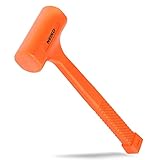
A dead blow hammer is a useful middle ground between a rubber mallet and a steel hammer. Its hollow head contains shot that moves forward on impact, reducing rebound while adding force. That makes it practical for seating bearings, aligning parts, tapping panels, and assembling equipment without leaving the sharp dents associated with a conventional hammer.
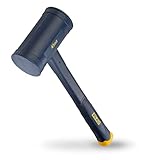
For most home shops and light-duty fabrication, the best budget choice is a 16- or 24-ounce dead blow hammer with a replaceable, non-marring face. Smaller hammers are easier to control on sheet metal, while heavier versions deliver more force when assembling machinery or persuading tight joints.
As an Amazon Associate we earn from qualifying purchases at no extra cost to you.


What to Look For in a Budget Dead Blow Hammer
Weight is the first specification to consider. A 12-ounce hammer is suitable for light assembly, trim work, and small panels. A 16-ounce model is the most versatile size for general repairs. A 24-ounce hammer is better for stubborn fittings, vehicle suspension work, and larger assemblies, but it can easily distort thin sheet metal if used carelessly.
The face material matters more than a polished handle or bright color. Urethane, nylon, and rubber faces protect painted and machined surfaces better than steel. Nylon faces usually resist wear well and deliver a firmer impact. Rubber is softer but can mark, split, or leave residue. Urethane is a common compromise for general assembly.
Look for a face that is replaceable or at least securely molded into the head. Cheap hammers sometimes develop loose inserts after repeated use. A face that begins spinning, cracking, or separating should be replaced rather than glued back into service.
The shot inside the head should be loose enough to move after impact. This is what reduces bounce and keeps more of your swing’s energy on the workpiece. If a hammer rebounds sharply, the head may be underfilled, the internal shot may be damaged, or the tool may simply be a conventional soft-face hammer marketed with vague language.
Best Budget Options by Job
| Type | Typical price | Best use | Main trade-off |
|---|---|---|---|
| 12-ounce soft-face dead blow | $12–$20 | Small assembly, trim, light sheet metal | Limited force and smaller striking area |
| 16-ounce general-purpose dead blow | $15–$28 | Most home-shop and maintenance work | May be too light for seized parts |
| 24-ounce dead blow | $20–$35 | Bearings, machinery, vehicle work | Can dent thin panels or damage delicate parts |
| Two-piece face dead blow | $25–$45 | Frequent use and replaceable faces | Higher initial cost |
For occasional work, a generic 16-ounce model is usually fine. You do not need a premium industrial brand to tap a cabinet component into alignment or seat a light press-fit part. The cheaper option becomes less attractive when the hammer will be used daily, exposed to solvents, or struck against sharp edges that can split a low-cost face.
A 16-ounce dead blow hammer is the safest starting point for buyers who want one tool. If your work is mostly thin steel, a 12-ounce soft-face dead blow hammer gives better control and reduces the temptation to swing too hard.
Using a Dead Blow Hammer on Sheet Metal
Dead blow hammers are useful for flattening small high spots, aligning seams, and seating panels against flanges. They are not a substitute for a body hammer and dolly when you need to planish a large area or restore a precise contour. The broad, soft face spreads the blow, but repeated impacts in one spot can still stretch the metal.
Start with the lightest hammer that will move the panel. On 20- to 22-gauge automotive-style sheet metal, a 12-ounce or 16-ounce tool is generally easier to control than a 24-ounce tool. Use short swings and check the panel after every few blows. If the metal starts oil-canning, develops a sharp ridge, or shows a circular imprint, stop and change your support or striking location.
Keep the face clean. A trapped metal chip can scratch paint or punch a small mark into aluminum. Wipe the face before working on finished surfaces, and never use a dead blow hammer to strike a sharp punch, chisel, or hardened drift. The soft face can split, and the tool is not designed for that concentrated load.
Assembly and Maintenance Uses
For assembly, the main benefit is controlled force without rebound. A dead blow hammer can seat a bushing, align bolt holes, close a stubborn cover, or move a workpiece on a fixture. Hold the tool near the end of the grip for force, or choke up for alignment work. Keep your fingers away from pinch points; a non-rebounding hammer still moves the part suddenly once it breaks free.
Do not use one as a primary bearing driver unless the face is large enough and you are striking a proper drift or installation sleeve. Hitting the bearing’s inner or outer race incorrectly can damage it before the part appears seated. For delicate components, a plastic assembly hammer or hand press may be a better purchase.
Budget hammers often have hard plastic grips and molded heads. These can last for years in a home shop, but they are more likely to crack if stored in freezing temperatures or repeatedly exposed to oil and brake cleaner. A replaceable-face dead blow hammer costs more up front but reduces waste for regular users.
Brand Value and Seasonal Buying Advice
Brand-name industrial hammers usually justify their price through better face retention, more consistent balance, and replacement-part availability. The difference is noticeable in a repair shop using the tool every day, but not always in a garage that uses it once a month. For light use, prioritize weight, face condition, and a comfortable grip over logo prestige.
Compare prices around spring tool promotions, Father’s Day sales, Labor Day, and November deal events. Basic dead blow hammers often drop by $3 to $10, while multi-piece sets may receive larger percentage discounts. Avoid buying a set just because it is discounted: two similar weights provide less value than one useful 16-ounce hammer plus a different face material.
Before ordering, check the listed weight, face diameter, replacement-face availability, and customer photographs for loose inserts. A budget hammer is a good buy when it fits the job. It is a false economy when you need to strike harder because the tool is too light, or when a damaged face costs more than the original hammer to replace.