Best Budget Tools for a Small Mobile Maintenance Kit
What's inside
As an Amazon Associate I earn from qualifying purchases. This post may contain affiliate links at no extra cost to you.
A small mobile maintenance kit should handle loose fasteners, minor adjustments, simple electrical checks, and the occasional stuck part without filling a car trunk. The best budget setup is usually a few dependable hand tools, a compact light, and consumables matched to the jobs you actually do. Skip oversized sets with duplicate bits and tools you will rarely carry.
As an Amazon Associate we earn from qualifying purchases at no extra cost to you.



Start with the jobs you need to cover
List the work you expect: tightening cabinet hardware, adjusting a bike or gate, replacing a fuse, or making a temporary repair on a vehicle. That list matters because fastener sizes and access vary. A kit for household callouts may need Phillips and slotted drivers; one for bikes benefits from metric hex keys; roadside work calls for a flashlight and gloves.
For a useful general-purpose kit, plan on roughly 10 to 15 pounds, including a small bag and basic consumables. Keep heavy, specialized tools at home unless a job justifies carrying them. A tool that stays in the garage cannot help you on the road, but a bag overloaded with rarely used gear is harder to keep organized.
Buy the core tools first
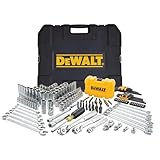
Start with a six- to eight-inch adjustable wrench, combination pliers, a compact screwdriver with interchangeable bits, and a tape measure. Add a small metric hex-key set if you service bikes, furniture, or equipment with metric hardware. A compact ratchet and sockets are useful when you routinely deal with nuts and bolts, but a bargain set with soft sockets can round fasteners under heavy force.
For a driver, a basic handle and a well-made set of common bits often beat a large, cheap assortment. Prioritize Phillips sizes 1 and 2, slotted bits in a couple of widths, and Torx bits only if your work regularly calls for them. If you need a dedicated set, compare compact screwdriver bit sets by bit fit and case design, not just the count printed on the package. Poorly fitting bits slip, damaging both the screw and the bit.
A small flashlight or headlamp is another high-value purchase. A headlamp keeps both hands free, which is useful under a sink or beside a vehicle. For occasional work, an inexpensive light is fine; check that its switch is easy to operate with gloves and that it takes batteries you can replace locally. Rechargeable lights are convenient, but a dead battery is a liability if you have no charging access.
Compare where budget tools make sense
| Tool or category | Budget choice works well when | Spend more when | Common low-cost drawback |
|---|---|---|---|
| Adjustable wrench | Use is occasional and fasteners are accessible | You work on seized hardware or need precise jaw fit | Jaw play can round corners |
| Bit driver and bits | You mostly tighten light-duty screws | You use one fastener type every day | Soft bits wear or cam out early |
| Hex keys | You need a few common sizes for light adjustments | You regularly service bikes or machinery | Short keys offer poor leverage; ends may deform |
| Compact socket set | Tasks are light and sizes are clearly marked | Bolts are tight, rusty, or safety-critical | Weak ratchet teeth or sockets can fail under load |
| Headlamp | Use is occasional and replacement batteries are available | You depend on it for long or frequent jobs | Dim output or fragile switches |
A modest metric hex-key set is enough for infrequent adjustments, but choose a set with clearly marked sizes and a holder that keeps keys from falling out. If you service equipment often, a longer, stronger set gives better leverage and is less tiring. Do not use extra leverage on a small hex key to free a badly seized bolt; the key may twist, or the fastener may break.
Spend on the parts that take force
Brand value matters most where a tool must fit accurately or withstand repeated load. On a tight budget, it is reasonable to buy an inexpensive tape measure, magnetic parts tray, or storage pouch. It is less sensible to choose the softest adjustable wrench or the cheapest pliers you can find. With those tools, poor fit can turn a simple repair into a damaged fastener or cut hand.
Look for smooth jaw movement, handles that do not shift, and bit tips that seat firmly in screws. For sockets, check that the sizes are stamped or engraved rather than printed on a coating that may wear away. A compact ratchet should reverse positively and feel consistent as you move it. These checks matter more than a large piece count. Keep heavy force off small mobile tools: use the correct size, pull steadily, and stop if a fastener begins to deform.
Add consumables and basic safety gear
Set aside room for a pencil, a few cable ties, electrical tape, nitrile gloves, and a small selection of replacement fuses if you know the ratings required for the equipment you service. Add a small roll of thread-sealing tape only for compatible plumbing tasks; it is not a fix for every leak. Carry spare parts that match known jobs, not an assortment so random that you cannot identify what fits.
Include safety glasses and a pair of work gloves. Gloves help with sharp edges and grime, but they are not a substitute for care around rotating equipment, where loose material can catch. Before electrical work, disconnect power when possible and use a suitable tester rather than assuming a circuit is dead. A cheap tester is only useful if it works correctly; check it against a known live source before and after testing.
Buy seasonally and keep the kit usable
Tool sets and lights often see discounts around major holiday sales and during spring home-improvement promotions. Compare the sale price with the cost of buying only the pieces you need: a 100-piece case can be poor value if half the bits are duplicates or unusual sizes. For a small kit, a compact tool bag with a zipper and a few pockets is generally more useful than a rigid case that takes up extra space.
Before packing, test every tool and remove duplicate items. Put the tools you reach for most near the top, and keep sharp or pointed items covered. After a job, wipe tools dry and check for loose bits, dead batteries, or missing fuses. That five-minute reset prevents a common failure: arriving at the next repair with the right tool category but the wrong size, or a light that will not turn on.