Best Value Pipe Cutter for DIY Plumbing Projects
What's inside
As an Amazon Associate I earn from qualifying purchases. This post may contain affiliate links at no extra cost to you.
A good pipe cutter does one job: make a square cut without crushing the pipe or leaving a burr that spoils the joint. For occasional DIY plumbing, you usually do not need a premium tool. The best value depends on what you are cutting—copper, plastic, or both—and how much room you have to turn the cutter.
As an Amazon Associate we earn from qualifying purchases at no extra cost to you.

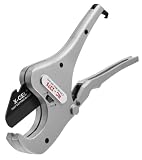

Choose by pipe material and size
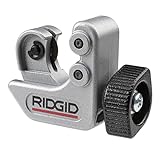
Small wheel cutters are a sensible budget choice for copper tube, commonly in sizes from about 1/8 to 1-1/8 inches. They fit in a tool bag and work well under a sink, but they take several turns around the tube for each tightening. A compact cutter can be especially useful where a full-size handle cannot swing.
For larger copper pipe, a standard-size cutter is easier to turn and usually faster. Many DIY jobs involve 1/2- or 3/4-inch copper, so check the stated cutting range before buying rather than assuming one cutter covers every household pipe. Copper tube and copper pipe are not interchangeable terms in every sizing system; use the tool’s listed outside-diameter range.
Plastic pipe calls for a different approach. A ratcheting PVC cutter is quick on accessible, smaller-diameter PVC or CPVC, but it can squeeze thin-wall pipe out of round or leave a slanted cut if the blade is dull. For larger plastic pipe, a hand saw and a guide may give better control. A copper wheel cutter is not a substitute for a plastic-pipe cutter.
Which cutter is the better value?
| Type | Best for | Typical trade-off | Value verdict |
|---|---|---|---|
| Compact copper tube cutter | Small copper lines and cramped spaces | More turns; limited size range | Best low-cost choice for a few repairs |
| Standard copper tube cutter | Frequent 1/2- and 3/4-inch copper work | Needs more clearance around the pipe | Worth the extra cost if access is open |
| Ratcheting plastic pipe cutter | Accessible PVC or CPVC within its rated range | Can deform pipe if oversized or blunt | Good if plastic plumbing is a regular job |
| Adjustable multi-material cutter | Mixed materials and occasional use | May be slower or less comfortable than a dedicated tool | Convenient, but check the range and replacement parts |
For a one-time copper repair, a compact copper tube cutter is usually enough. If you will cut plastic pipe too, compare a dedicated ratcheting PVC pipe cutter against the price of borrowing one. Buying a second tool only makes sense when you expect to use it again.
What to check before paying more
Look for a clear capacity range, a smooth adjustment knob, and a replaceable cutting wheel or blade. The wheel is a wear item: a nicked edge can skate, make a spiral track, or require excess tightening. Replacement wheels are useful only if they are easy to find and do not cost nearly as much as a new budget cutter.
Handle feel matters more than a polished finish. A small knob that is hard to grip becomes frustrating when working in a tight cabinet. On a ratcheting cutter, the release should be easy to operate, and the blade should close squarely without noticeable side play. A premium name is not automatically better value for two cuts a year, but a tool that binds or flexes can waste more time than its low price saves.
Do not overpay for a large cutter if your plumbing is mostly 1/2-inch copper. Conversely, a small cutter at the edge of its capacity may be slow and awkward on larger tubing. A larger frame provides leverage, but it needs room to rotate; measure access around the pipe before choosing.
How to get a clean cut
Mark the cut and remove enough pipe to leave room for the fitting and any damaged section. Place the wheel on the mark, tighten until it just contacts the tube, then rotate the cutter around the pipe. Tighten the knob slightly after each full turn—roughly an eighth of a turn is a useful starting point. Cranking down hard at once can deform the tube or make the wheel wander.
After cutting copper, remove the internal burr with the cutter’s reamer or a separate deburring tool. A burr can restrict flow and catch solder or debris. Check the end for roundness and clean the outside before joining it. On plastic, support the pipe close to the cut and keep the blade square; if the cut starts to angle or the pipe visibly flattens, stop and use a sharper or more suitable tool.
Wear eye protection, especially when reaming or cutting overhead. Keep hands clear of the wheel and blade, and confirm the line is drained and depressurized before cutting. A neat-looking cut is not proof that a plumbing joint is sound: follow the fitting maker’s preparation instructions and test the repair for leaks before closing a wall or cabinet.
When to buy, and when to borrow
Seasonal sales can reduce prices on plumbing hand tools, particularly during spring home-improvement promotions and holiday tool sales. Compare the current price with the cost of a replacement wheel, not just the sticker price. Cheap cutters are often perfectly adequate for a small repair; paying more is justified when you need repeated cuts, better access, a broader capacity, or dependable replacement parts.
If the job requires one or two cuts and you already have a clean, properly sized tool available to borrow, borrowing is the better value. Buy your own when the cutter will solve repeat repairs or when having the right size on hand prevents a rushed trip to the store. For most DIYers, that means starting with a compact copper cutter for copper work, then adding a plastic cutter only if plastic pipe is part of the project.