How to Budget for Safety Equipment When Buying a New Power Tool
What's inside
As an Amazon Associate I earn from qualifying purchases. This post may contain affiliate links at no extra cost to you.
Price the Whole Job, Not Just the Tool
A new drill, circular saw, grinder, or chainsaw is only part of the purchase. Safety equipment protects you from the tool’s predictable failure modes: flying chips, excessive noise, dust, kickback, cuts, burns, and loss of control. A realistic safety budget is usually 10% to 30% of the tool’s price, although a saw or grinder can require more.
For example, a $150 circular saw might need $20 safety glasses, $25 hearing protection, $15 a dust mask or respirator, and $40 for a stable work surface or sawhorses. The real starting cost is closer to $250. That is still cheaper than treating an eye injury or replacing a damaged tool after a kickback.
As an Amazon Associate we earn from qualifying purchases at no extra cost to you.

Before shopping, list the material you will cut, the location, the expected work time, and the likely hazards. Cutting plywood in a garage has different needs from grinding steel outdoors or routing hardwood in a small workshop. This prevents spending money on equipment that looks professional but does not solve your actual problem.
Set a Safety Budget by Tool Type
| Tool or job | Common hazards | Typical safety budget | Where not to economize |
|---|---|---|---|
| Drill or driver | Flying debris, bit breakage, noise, snagged clothing | $15–$60 | Impact-rated eye protection |
| Circular saw or miter saw | Kickback, blade contact, dust, hearing damage | $60–$180 | Eye protection, hearing protection, stable support |
| Angle grinder | Wheel failure, sparks, metal fragments, noise | $50–$150 | Face shield over safety glasses and correct guard |
| Router or sander | Fine dust, noise, loss of control | $35–$130 | Dust control and hearing protection |
| Chainsaw | Kickback, severe cuts, falling branches, noise | $150–$400+ | Chainsaw chaps, helmet system, and proper footwear |
These figures assume you are buying basic but credible equipment, not building a complete professional kit. Shared items such as eye protection, hearing protection, a first-aid kit, and a fire extinguisher reduce the cost of adding each new tool.
Buy the Basics First
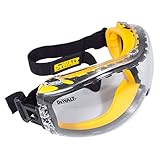
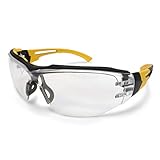
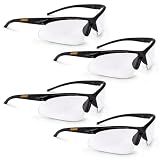
Eye protection is the cheapest essential. Look for safety glasses marked ANSI Z87.1, preferably with side coverage. Ordinary prescription glasses and fashion sunglasses are not reliable substitutes. A $10 to $20 pair is usually adequate for drilling, sawing, and sanding if it fits securely and resists fogging. Buy a spare pair if more than one person uses the shop.
Hearing protection becomes important surprisingly quickly. Many power tools produce more than 90 decibels, and some grinders and saws exceed 100 dB. Foam earplugs are inexpensive, but earmuffs are easier to use consistently. For loud tools, use both. A reasonable $20 to $40 combination is often better value than premium electronic hearing protection for occasional home projects. Search for ANSI-rated safety glasses and hearing protection as a starting point.
Dust protection requires more judgment. A disposable N95 can be fine for a short, well-ventilated woodworking task involving ordinary lumber. It is not a universal mask. Concrete, masonry, lead paint, mold, and some finishes may require a different filter, better sealing, or professional controls. Facial hair can prevent a tight-fitting respirator from sealing. A mask that leaks around your cheeks is false economy.
Match Protection to the Failure Modes
Do not treat all face protection as interchangeable. Safety glasses protect your eyes; a face shield protects much of your face from larger fragments and sparks. When using an angle grinder, wear safety glasses under a full face shield. A shield alone can leave gaps around the eyes. Grinding wheels can break, and a cheap shield cannot compensate for a missing wheel guard or an incorrect wheel rating.
For saws, the highest-value safety purchase may be a stable setup rather than another wearable item. A saw horse, workbench, clamps, and enough room to support the work reduce pinching and kickback. Never balance a sheet of plywood on loose boxes. If the material closes on the blade, the saw can climb or launch backward before you can react. Basic sawhorses and work clamps can cost less than a premium accessory and prevent more trouble.
For a router or sander, dust collection often provides more value than a higher-priced mask. A shop vacuum with the correct hose adapter can cut airborne dust and improve visibility. Check whether the tool accepts a standard dust port before buying. Fine dust that settles on shelves is also dust you may breathe during cleanup, so budget for a vacuum or a suitable sweeping and collection method.
Where the Cheaper Option Is Fine
Budget safety gear is reasonable when it has the required certification, fits properly, and is replaced when damaged. Basic safety glasses, disposable earplugs, simple earmuffs, and N95 masks from a reputable manufacturer do not need to be expensive. Paying twice as much does not automatically provide twice the protection.
Spend more when fit, durability, or exposure time matters. A poorly fitting respirator is not a bargain. Frequent users may save money with washable earmuffs, replaceable respirator cartridges, or anti-fog glasses that stay comfortable for several hours. With chainsaws, purpose-built protective equipment is worth the premium. Look for chainsaw chaps and a helmet face-shield system, not generic work pants and a bicycle helmet.
Also avoid used protective equipment unless you know its history. A helmet may have hidden impact damage, and old respirator cartridges may be saturated. Used clamps, sawhorses, and work lights are usually safer bargains than used helmets, harnesses, or damaged face shields.
Use Seasonal Sales Without Cutting Corners
Tool promotions are common around Father’s Day, July 4, Labor Day, Black Friday, and the holiday season. Safety gear is often discounted when bundled with a tool, but bundles vary. A “free” pair of glasses does not add much value if you still need hearing protection, dust control, and a stable work surface.
Compare the complete setup price rather than the headline tool price. A $99 bare tool that requires a battery, charger, guard, dust adapter, and safety equipment may cost more than a $149 kit. For cordless tools, include the battery platform in your budget: buying into a second battery system can add $80 to $200 before safety equipment.
Seasonal buying works best for durable shared items such as earmuffs, shop vacuums, clamps, and work lights. Do not stockpile disposable filters or cartridges unless you can verify their expiration dates and storage conditions. Replace cracked glasses, torn chaps, damaged cords, and deformed guards immediately. The cheapest safe setup is the one that remains usable, fits correctly, and keeps the tool’s specific hazards under control.