How to Decide Whether Shared Tools Offer Better Value Than Personal Tools
What's inside
As an Amazon Associate I earn from qualifying purchases. This post may contain affiliate links at no extra cost to you.
Start with the real cost of ownership
A shared tool can look cheaper because you avoid buying it. That is only true if access is reliable and the tool is in good working order when you need it. Compare the full cost of ownership: purchase price, consumables, maintenance, storage, transport, and the cost of waiting or making a second trip.
For occasional work, renting or borrowing usually wins. If you need a demolition hammer for one bathroom floor, paying for one or two rental days is more sensible than buying a tool that may sit for five years. The calculation changes when the same job stretches over several weekends, or when you expect to repeat it on another project.
A useful break-even formula is:
Personal-tool cost ÷ shared-use cost per day = break-even days.
For example, a $180 cordless tool kit that costs $35 per rental day breaks even at just over five rental days, before adding battery replacement or rental deposits. A $500 specialty saw rented for $60 per day breaks even after about nine days. In practice, add 20% to 30% for accessories, blades, fuel, and maintenance before treating those numbers as final.
When shared tools offer better value
Shared tools are usually the better choice when usage is infrequent, the tool is expensive to store, or the job needs a specialized machine. Floor sanders, drain snakes, concrete breakers, post-hole augers, and paint sprayers fit this category. They are costly to own and often have long periods of inactivity.
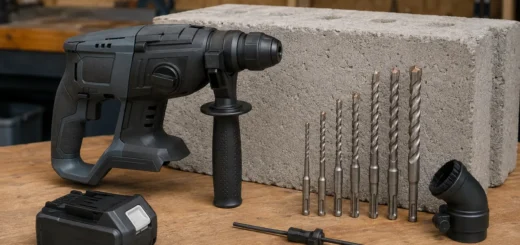
Renting also makes sense when a tool has a short practical life in your work. A large rotary hammer may be ideal for removing tile but excessive for drilling a few holes. Likewise, a pressure washer can be rented for an annual deck cleaning instead of occupying garage space all year.
The cheaper shared option is fine when the job is predictable and time-sensitive access is not critical. Reserve the tool ahead of time, confirm what accessories are included, and check the rental period carefully. A “one-day” rate may mean 24 hours, a calendar day, or a few hours until closing.
Borrowing from a neighbor or tool library can be even cheaper, but it carries different risks. You may have to accept an unfamiliar brand, a missing accessory, or a tool that was not maintained. Inspect guards, cords, switches, batteries, and cutting attachments before taking it home. Never use a tool with a cracked housing, damaged cord, loose blade, or bypassed safety switch simply because it is free.
When buying your own tool pays
Buy a personal tool when you will use it regularly, need it without notice, or depend on consistent results. A homeowner who makes repairs every month will get more value from a drill, impact driver, circular saw, or oscillating multi-tool than from repeated rental trips.
Convenience has measurable value. If renting requires 45 minutes of driving each way, a $30 rental can become a three-hour commitment. Add fuel, scheduling, and the chance that the tool is unavailable. Owning the tool also lets you stop, adjust, and resume work without watching the clock.
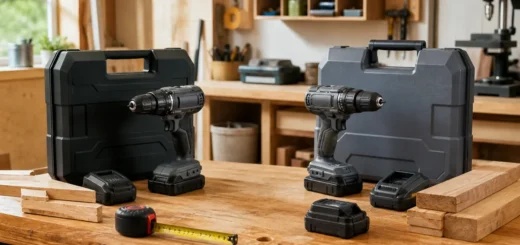
For a first purchase, a basic cordless drill driver kit is often easier to justify than a collection of specialized tools. A kit with two batteries can cover furniture assembly, pilot holes, small masonry jobs, and routine hardware installation. Avoid paying for high voltage or premium features you will not use.
Personal tools are also preferable when setup and calibration take time. A table saw, router, or planer may require fence adjustments and test cuts before producing accurate work. Repeating that setup at a rental shop or with a borrowed tool can erase the price advantage.
Shared versus personal tools
| Factor | Shared or rented | Personal |
|---|---|---|
| Best usage level | One to five short projects per year | Monthly use or repeated projects |
| Upfront cost | Low; usually a daily or weekly charge | Higher; includes the tool and accessories |
| Availability | Depends on reservations and store hours | Available whenever charged and maintained |
| Condition | Varies; inspect before accepting | You control maintenance and storage |
| Storage burden | None or minimal | Can require shelves, cases, and battery storage |
| Failure cost | May include late fees or a wasted rental day | Repair or replacement is your responsibility |
Count accessories, consumables, and failures
The tool itself is rarely the complete price. A rented rotary hammer may cost $40, but masonry bits can add $10 to $30. A paint sprayer may need filters, cleaning fluid, and extra tips. A chainsaw requires chain oil, fuel, sharpening, and sometimes protective equipment. Ask whether blades, bits, batteries, chargers, hoses, and cases are included.
Consumables can favor ownership if you work slowly. A personal tool lets you buy a pack of blades or sanding discs when they are discounted. Rental shops may charge for damaged or missing accessories. On the other hand, ownership means you must replace worn parts before they fail in the middle of a job.
Failure risk matters most for deadline-driven work. If a rented tool stops working on Saturday afternoon, the replacement may not be available until Monday. With a personal tool, you face the repair bill, but a second battery or backup tool may keep the project moving. For important jobs, budget an extra 10% for replacement consumables and an alternative plan.
Match the ownership decision to the category
Buy commonly used cordless tools within one battery platform when possible. Shared batteries reduce duplicate chargers and make a bare tool more affordable later. If you are starting from scratch, compare the price of a kit, a second battery, and the most likely future tools—not just the first drill.
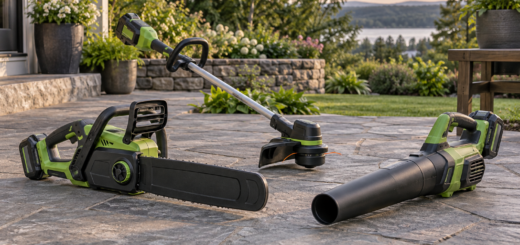
For outdoor maintenance, compare cordless outdoor power tool kits with seasonal rentals. A trimmer used monthly may justify ownership, while a pole saw used once every three years does not. Battery tools are quieter and simpler to start, but replacement batteries commonly cost a substantial portion of the original kit price.
For sanding and cutting, buy only when you can use the tool safely and store dust-control equipment. A personal random orbital sander is inexpensive and useful for repeated refinishing. A floor sander is better rented because of its size, weight, and limited use.
Use a hybrid plan to spend less
The strongest value strategy is usually a mix: own the small, frequently used tools and share or rent the large, specialized ones. Before each purchase, estimate realistic annual use, then compare three years of rental charges with purchase, accessories, and maintenance.
Buy during seasonal sales when the discount includes a useful battery or accessory rather than an unwanted extra tool. Rent during short-term projects, reserve early, and return equipment clean and complete. This approach avoids filling a garage with idle machines while preserving immediate access to the tools that genuinely save time.