How to Decide Whether to Rent a Floor Sander or Buy a Budget Model
What's inside
As an Amazon Associate I earn from qualifying purchases. This post may contain affiliate links at no extra cost to you.
The short answer: rent for one job, buy for repeat work
For a single room, renting a floor sander is usually the better value. A rental gives you a larger, faster machine without tying up money in a tool that may sit unused for years. Buying starts to make sense when you expect several projects, need a sander on short notice, or want a smaller machine for maintenance work rather than full-floor removal.
The decision is not simply rental price versus purchase price. You also need to account for abrasive belts or sheets, pickup and return time, delivery, damage charges, and the cost of fixing a cheap machine that does not track properly. A budget sander can be perfectly adequate for a small floor, but it will not automatically produce the same results as a commercial rental machine.
As an Amazon Associate we earn from qualifying purchases at no extra cost to you.

Compare the real cost, not just the advertised price
Typical rental pricing varies by location, but a drum or belt floor sander often costs about $60 to $100 for four hours, $80 to $140 per day, or $250 to $400 per week. Edger rental commonly adds $40 to $70 per day. Abrasives can add another $30 to $100, depending on floor size and how many grits you use.
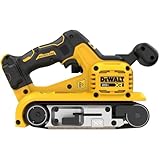
Budget floor sanders range from roughly $150 to $500. Many are orbital or random-orbit machines rather than aggressive drum sanders. They remove less material per pass, but they are easier to control and less likely to leave deep tracks. A low-cost drum sander can remove finish quickly, but poor adjustment or operator error can create gouges that require more sanding to repair.
| Option | Typical upfront cost | Best use | Main drawback |
|---|---|---|---|
| Rental drum or belt sander | $80–$140 per day, plus abrasives | Stripping finish from a whole room or several rooms | Time pressure and a steep learning curve |
| Rental orbital floor sander | $70–$120 per day, plus abrasives | Finishing, screening, and controlled removal | Slow on thick paint or heavy finish |
| Budget orbital floor sander | $150–$350 | Small rooms and occasional maintenance | Less aggressive and sometimes poor dust collection |
| Budget drum or belt sander | $300–$500 | Repeated DIY renovation work | Greater risk of gouges, alignment problems, and repairs |
For a 200-square-foot room, a one-day rental may cost less than buying even a modest machine once abrasives are included. For three or four rooms over the next couple of years, ownership can win, especially if you can store the tool and replace parts yourself.
When renting is the safer choice
Rent a commercial machine when the floor has thick paint, multiple layers of finish, adhesive residue, or significant unevenness. Commercial equipment has heavier drums, better dust control, and more consistent sanding pressure. Rental counters can also supply the abrasive sequence for your floor and explain how to adjust the machine.
Renting is particularly sensible for a first hardwood refinishing project. A drum sander can cut a visible trough in seconds if you stop, turn, or lower the drum incorrectly. Never leave the drum down while the machine is stationary. Start moving before lowering it, lift it before stopping, and work with the grain on the final passes.
Check the rental agreement for the actual rental period. “One day” may mean a fixed 24-hour window or a return time the same afternoon. Ask whether the machine includes a dust bag, whether delivery is available, and what happens if the unit damages the floor. Take photos of the machine and floor before leaving the counter if the equipment is already worn.
When a budget model is good enough
A budget orbital floor sander is a reasonable choice for a small bedroom, a lightly worn floor, or regular screening between finish coats. It is also a better fit for inexperienced users because the pad moves in multiple directions and is less likely to leave drum-shaped grooves.
These machines work best when the floor is already fairly flat. They are not fast paint strippers. On a 100- to 200-square-foot room, expect several passes and frequent abrasive changes. A cheap sander with a small pad may take most of a day where a rental belt machine would take a few hours.
For edges and corners, you may also need a separate detail sander for wood floors, scraper, or rental edger. Do not expect one budget machine to reach tight corners or remove finish right against baseboards.
What to check before buying
Look first at replacement abrasive availability. A machine that uses an unusual pad or belt can become expensive or useless when the original supplier stops carrying it. Search for the abrasive size, pad diameter, dust bags, drive belts, and carbon brushes before buying. Common consumables matter more than a small difference in motor wattage.
Weight is another practical issue. A machine around 80 pounds may stay stable but be difficult to load into a vehicle or carry up stairs. A 30- to 50-pound orbital model is easier to handle but may require more passes. Check whether the handle folds, whether the machine can be transported upright, and whether the dust bag is easy to remove without spilling debris.
Read reviews specifically for tracking, pad wobble, overheating, and parts support. A sander that pulls consistently to one side can leave uneven bands across the room. Excessive vibration loosens fasteners and makes long sessions tiring. If the tool has a variable-speed control, it can be useful for finish sanding, but it does not compensate for an undersized motor during heavy removal.
Use seasonal pricing to improve the buy decision
Floor sanding tools often sell for less during late fall and winter, when fewer homeowners start renovation projects. Watch prices for several weeks rather than assuming a sale is genuine. Spring and early summer bring more remodeling demand, while holiday promotions can reduce the price of budget tools and accessories.
Consider buying used commercial equipment only if you can inspect it running. Check that the drum or pad spins evenly, the height adjustment works, the power cord is intact, and the dust connection is not cracked. A cheap used machine needing a motor, bearings, or drum repair can exceed the cost of a clean rental quickly.
A practical decision rule
Rent if this is your first floor, the area exceeds one or two small rooms, the finish is heavy, or the schedule allows only a weekend. Buy a budget orbital machine if you need occasional touch-ups, have a small room, and value having the tool available more than fast removal.
Buy a heavier drum floor sander only when you expect repeated renovation work and are prepared to practice on scrap flooring. For most homeowners, the best-value combination is a rental drum sander for the initial stripping, followed by ownership of a modest random orbital sander with dust collection for future maintenance and finish preparation.