Best Affordable Ash Vacuum for Wood Stove and Fireplace Cleanup
What's inside
As an Amazon Associate I earn from qualifying purchases. This post may contain affiliate links at no extra cost to you.
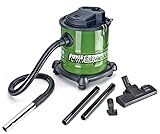
Cleaning a wood stove or fireplace with a household vacuum is a quick way to ruin it. Fine ash can pass through a standard paper filter, reach the motor, and blow back into the room. An ash vacuum is built around a metal canister, a heat-resistant hose, and filtration intended for powdery debris. The best affordable models are not the most powerful shop vacuums. They are compact machines that control dust without costing more than the stove cleanup warrants.
As an Amazon Associate we earn from qualifying purchases at no extra cost to you.


What to look for in an affordable ash vacuum
Start with the filter system. A washable cartridge filter is the minimum sensible choice, while a model with a secondary fine-dust or HEPA-style filter offers better protection against airborne ash. Some inexpensive vacuums use a small round cartridge filter that clogs quickly; that is not necessarily a dealbreaker, but expect to brush or wash it often.
The canister should be metal, preferably steel, with a capacity of roughly 3 to 6 gallons. A 3-gallon vacuum is easier to store and adequate for a small stove cleaned every few days. A 5- or 6-gallon unit is less frustrating when removing ash from a large fireplace or when you want to clean only once a week.
Look for a metal-lined hose and metal nozzle. Plastic parts can become brittle around warm ash, and a thin hose may collapse when bent. A short hose is easier to handle inside a stove but may force you to move the vacuum more often. A 4- to 5-foot hose is a practical compromise.
For most homes, 4 to 6 amps is plenty. Extra motor power does not compensate for a clogged filter, and high suction can stir ash around before it reaches the nozzle. A built-in filter-cleaning mechanism is useful, but it cannot replace emptying the canister and maintaining the filter.
Best value by type
| Vacuum type | Typical price | Best for | Main compromise |
|---|---|---|---|
| Basic compact ash vacuum | $45–$70 | Small wood stoves and occasional cleanup | Small filter and shorter hose |
| Midrange ash vacuum with dual filtration | $70–$120 | Frequent stove use and indoor cleanup | Higher purchase price |
| Ash vacuum with blower function | $80–$140 | Cleaning stove parts and outdoor work areas | Blower can spread fine ash if used carelessly |
| Shop vacuum with ash separator | $60–$150 before separator | People who already own a shop vacuum | More parts, more storage, and less convenient setup |
For a lightly used fireplace, a basic compact ash vacuum with a metal canister is usually the economical choice. The cheaper option is fine when the firebox is small, the ash is fully cold, and you are willing to clean the filter after each use.
If you burn wood daily, spend more on a model with two-stage filtration and an easier-to-clean filter. That extra cost can be worthwhile because clogged filters reduce suction, increase motor heat, and make you more likely to sweep ash into the room. A dual-filtration ash vacuum is the better value for regular winter use.
How to use one safely
Only vacuum completely cold ash. Hidden embers can remain under a layer of gray ash for many hours, especially after a large fire. Wait at least 12 to 24 hours after the last fire, and longer if the stove manufacturer recommends it. If you are unsure, stir the ash carefully with a metal tool and check for warmth. Never rely on an ash vacuum’s heat-resistant hose as permission to vacuum live embers.
Move the coals and ash forward with a metal shovel, then vacuum the remaining fine layer. Keep the nozzle close to the surface instead of plunging it into a deep pile. Deep piles can overload the filter quickly and may push ash into gaps around the lid.
Do not fill the canister to the top. Stop when ash reaches roughly two-thirds full, or sooner if suction drops. Fine ash packs densely and can cover the filter long before the container appears full. Empty the canister outdoors into a steel container with a tight lid. Keep that container away from the house, deck, mulch, and other combustible materials for several days.
Common failure modes
The most common problem is buying a vacuum with a paper filter or using it without the supplied filter installed. Ash is finer than ordinary dust; it can pass through gaps and coat the motor. Another mistake is washing a filter and reinstalling it while damp. Moisture can damage the motor and turn ash into a hard paste. Let washable filters dry completely, often overnight, before reinstalling them.
Filter clogging is normal, not a defect. If suction falls after only a few minutes, switch off the vacuum, unplug it, and clean the filter outside. Avoid compressed air indoors. A pre-filter or spare cartridge is a worthwhile accessory if you clean more than once a week; search for replacement ash-vacuum filters before buying, since obscure sizes can be difficult to find later.
Hose cracks and loose lid seals are the next weak points. Check that the lid clamps evenly and that the gasket is not pinched. If ash appears around the motor exhaust, stop using the vacuum until the filter and seal are checked.
When to buy for the best price
Prices are usually strongest in late spring and summer, after heating season ends. Retailers often discount compact models in April through July, while fall demand can push basic units above $80. Watch for bundle discounts that include a spare filter, but do not pay extra for a blower function you will not use.
Before buying, compare the replacement-filter price, not just the vacuum price. A $55 unit that needs a $20 filter every season may cost more over three years than an $85 model with readily available $10 filters. For occasional fireplace cleanup, buy the smallest metal-canister model with a washable filter. For daily wood-stove use, pay for better filtration, a stronger lid seal, and available replacement parts.