Milwaukee vs Makita Oscillating Tools: Which One Justifies Its Price?
What's inside
As an Amazon Associate I earn from qualifying purchases. This post may contain affiliate links at no extra cost to you.
Milwaukee and Makita both make capable oscillating multi-tools, but they justify their prices in different ways. Milwaukee usually makes more sense for tradespeople already invested in the M12 or M18 battery systems. Makita is often the better value for buyers who want a smooth, controlled tool and already own 18V LXT batteries. For a first-time buyer, the cheapest complete kit can matter more than small differences in cutting speed.
As an Amazon Associate we earn from qualifying purchases at no extra cost to you.



Price and platform value
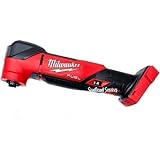
The bare tools commonly land somewhere around $100 to $180, depending on the generation, included features, and sale timing. Kits with a battery and charger can cost $180 to $300 or more. Those prices fluctuate heavily during holiday promotions, Father’s Day sales, and major spring tool events.
A bare tool is only a bargain if you already own compatible batteries. A new battery, charger, and a few blades can add $80 to $180 to the real purchase price. Before comparing tool prices, compare the complete setup.
Milwaukee’s biggest value advantage is its broad battery range. Its compact M12 system is useful for light renovation and tight spaces, while M18 offers more runtime and a larger selection of trade tools. Makita’s 18V LXT platform has a similarly large tool range and is especially attractive to carpenters, remodelers, and users who already own Makita drills, saws, or sanders.
If you need a first oscillating tool and have no battery platform, compare complete cordless oscillating tool kits rather than bare tools. A discounted kit can erase a $40 to $70 difference between brands.
Milwaukee vs. Makita at a glance
| Factor | Milwaukee | Makita |
|---|---|---|
| Best fit | Heavy remodel work and users already on M12 or M18 | Carpentry, finish work, and existing 18V LXT users |
| Cutting feel | Strong, aggressive performance on demanding materials | Generally smooth and controlled, with good finish-work manners |
| Battery choice | M12 for compactness; M18 for longer runtime and power | Mostly 18V LXT for this tool category |
| Accessory cost | Comparable to Makita; premium blades can cost $10 to $25 each | Comparable; multipacks usually deliver the best value |
| Typical advantage | Power, ecosystem breadth, and trade-focused durability | Low vibration, control, and frequent kit discounts |
| Who should save money | DIY users doing occasional grout, trim, or drywall cuts | DIY users who already own compatible batteries |
Performance, control, and vibration
Both brands offer variable-speed control and tool-free blade changes on their current cordless oscillating tools. That matters because one speed does not suit every job. High speed cuts wood quickly, while a lower setting gives better control in plastic, painted trim, and thin metal.
Milwaukee tools tend to appeal when the job involves repeated plunge cuts, door-jamb trimming, nail-embedded lumber, or demolition. They have enough output to keep the blade working when the material is less than clean. The trade-off is that a powerful tool can feel abrupt in delicate work, particularly with a fresh, aggressive blade.
Makita’s advantage is often feel rather than a dramatic difference in maximum cutting speed. Smooth speed control and manageable vibration make it easier to follow a pencil line or stop at a precise depth. That can reduce rework on flooring, cabinet filler, and finish trim. The difference is not night and day, and blade quality still has more effect than brand on many cuts.
Expect roughly 10 to 20 minutes of intermittent heavy cutting from a compact battery, and substantially longer from a larger high-capacity pack. Actual runtime depends on pressure, material, blade type, and whether the tool is cutting continuously. Pressing harder does not usually speed up the job; it overheats the blade and drains the battery.
Blade cost and common failure modes
Oscillating tools are inexpensive to start and expensive to feed. Wood blades can wear out after a few dozen cuts in clean lumber, but a single nail or screw can ruin one instantly. Bi-metal blades tolerate occasional fasteners better, while carbide-grit blades are the practical choice for grout, cement board, hardened adhesive, and abrasive materials.
Budget blades can be fine for cutting cardboard, soft pine, or disposable shims. They become false economy when they burn, wander, or lose teeth halfway through a job. For a typical repair, budget $20 to $50 for a mixed blade pack, then keep specialty blades separate so you do not use a premium grout blade on ordinary wood.
The most common failure is overheating. A blade that turns blue, smokes, or stops producing chips is being pushed too hard or used at the wrong speed. Another is damaging the accessory holder by running with a loose blade. Check the clamp before every cut, especially when working overhead or in a tight corner.
Which one is better value?
Choose Milwaukee if you already own M12 or M18 batteries, regularly cut through nail-filled material, or want one brand for a demanding remodeling setup. The higher purchase price is easier to justify when the tool is used weekly and battery sharing eliminates another charger.
Choose Makita if you already own 18V LXT batteries, value low-vibration control, or find a kit priced $30 to $60 below the comparable Milwaukee package. For flooring installers and finish carpenters, the smoother handling can be worth more than maximum output.
For occasional homeowners, neither premium brand is automatically the best buy. If you will use the tool three or four times a year, a well-reviewed budget cordless oscillating tool kit can handle trim, drywall openings, and small repairs. The limitations are shorter runtime, more vibration, weaker blade clamps, and less confidence under continuous load.
When to buy
Do not pay full price for a bare tool if you can wait. Milwaukee and Makita kits are commonly discounted during November sales, spring home-improvement promotions, and battery bundle events. Compare the included battery size: a kit with a small compact pack may look cheap but offer poor runtime for demolition.
The practical buying rule is simple: buy the brand whose batteries you already own, unless the competing kit is at least $50 cheaper after adding the battery and charger. At similar prices, Milwaukee earns its premium through power and platform breadth. Makita earns it through control and usually favorable kit value. For light DIY work, save the difference and spend it on quality blades.