Best Budget Wet-Dry Vacuum for Garage and Vehicle Cleaning
What's inside
As an Amazon Associate I earn from qualifying purchases. This post may contain affiliate links at no extra cost to you.
A garage-and-vehicle vacuum does not need to be expensive, but it does need to handle the kind of debris a household vacuum cannot. Sand, sawdust, gravel, wet floor mats, spilled drinks, and metal filings can quickly damage a light-duty upright or cordless stick vacuum. For most homeowners, the best budget choice is a compact corded wet-dry vacuum with a 5- to 8-gallon tank, a hose of at least 1-1/4 inches, and a true blower outlet.
As an Amazon Associate we earn from qualifying purchases at no extra cost to you.


What to look for in a budget wet-dry vacuum
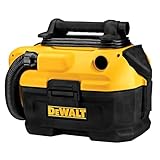
Tank size is the first practical decision. A 2- to 3-gallon unit is easier to carry around a car and stores neatly on a shelf. It is adequate for cleaning seats, floor mats, and a small workshop. The trade-off is frequent emptying, especially when collecting drywall dust or leaves. A 5-gallon vacuum is the better all-around garage size: still reasonably portable, but large enough for several vehicles or a messy project.
For vehicle cleaning, pay attention to the hose and attachments more than headline horsepower. A 6-foot hose works, but an 8- to 10-foot hose lets you reach the rear cargo area without dragging the machine around the driveway. A 1-1/4-inch hose is more maneuverable for car interiors. A 2-1/2-inch hose moves bulky debris better and is preferable for garage cleanup, but it can be awkward between seats.
Look for a sealed cartridge filter for dry debris and a foam sleeve or wet filter for liquid pickup. A vacuum that requires swapping filters is not necessarily a bad value; it is safer than using the wrong filter. Never use a standard paper or pleated dry filter for a significant amount of water. Remove the dry filter or install the manufacturer-approved wet setup first.
The best budget types compared
| Vacuum type | Typical price | Best use | Main compromise |
|---|---|---|---|
| 2- to 3-gallon compact corded | $40-$80 | Vehicle interiors and small garages | Small tank and shorter hose |
| 5- to 8-gallon corded | $60-$120 | General garage, cars, and wet spills | Heavier and noisier |
| 10- to 12-gallon corded | $90-$160 | Renovation debris and large cleanup jobs | Bulky for vehicle work |
| Cordless wet-dry | $100-$250 before battery | Quick spot cleaning away from outlets | Short runtime and higher total cost |
For the lowest purchase price, a compact corded vacuum is usually fine. Choose this category if you clean one or two vehicles occasionally and have an electrical outlet nearby. A compact wet-dry vacuum can handle crumbs, sand, pet hair, and a few quarts of spilled water without trouble.
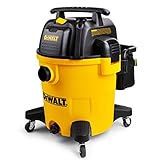
A 5- to 8-gallon machine is the stronger value for a garage that doubles as a workshop. It generally offers a longer hose, larger floor nozzle, and more usable capacity without reaching the awkward size of a contractor vacuum. The extra weight matters if you carry it upstairs, but wheels and a drain plug make it easier to live with.
Brand value and what you are really paying for
Established wet-dry vacuum brands commonly charge more for better hose fittings, replacement filters, accessory availability, and more dependable switches. That matters after the first year. A cheap vacuum is not a bargain if a cracked hose or lost filter turns it into a disposable appliance.
Budget store brands can still be worthwhile when the vacuum is used lightly. Before buying, check whether replacement filters are sold separately, whether the hose uses a standard diameter, and whether the power cord is at least 10 feet long. Also check the warranty terms. A one-year warranty is common; a longer warranty is useful only if the manufacturer has a practical parts and service process.
Do not choose based solely on peak horsepower. That number is often measured at startup and does not describe sustained suction at the hose. Airflow, a tight hose connection, and a clean filter have more effect on real cleaning. If you regularly collect fine dust, consider a wet-dry vacuum with a fine-dust filter or buy the filter separately.
Using one for vehicle cleaning
Start with the floor mats outside the vehicle. Vacuum loose grit before using an extractor or damp brush; otherwise, mud turns into abrasive paste. Use a crevice tool along seat rails and door pockets, then a soft brush on vents and dashboards. Keep the nozzle moving over fabric seats rather than grinding it into the material, which can pull threads or leave a shiny wear mark.
A 1-1/4-inch hose and narrow crevice tool are especially useful inside cars. If the included tools are poor, a car-cleaning attachment kit for a wet-dry vacuum can improve the result more than buying a larger motor. Avoid using the vacuum to collect hot ash, solvents, fuel, or flammable liquids. Most consumer wet-dry vacuums are not rated for those materials.
For liquid pickup, keep the tank below its maximum line and stop when the automatic shutoff activates. Empty the tank immediately afterward and leave the lid open until it dries. Standing water creates odor, mildew, and corrosion. If the vacuum begins making a high-pitched sound or loses airflow during wet pickup, switch it off and check the float and filter rather than continuing.
When to buy and when to spend more
Prices often improve around spring garage-cleaning promotions, major summer holiday sales, and late November shopping events. The best discounts are usually on 5- to 8-gallon corded machines, while cordless models may be discounted without including the battery. Compare the tool-only price with the cost of a compatible battery and charger before calling it a deal.
Spend more for a larger unit if you clean multiple cars, collect renovation debris, or use the vacuum weekly. Stay with the cheaper compact option if storage space is limited and your jobs are mostly interiors. In either case, budget another $10-$30 for replacement filters, disposable collection bags where supported, or a better crevice tool. Those inexpensive accessories often determine whether the vacuum remains useful after the first messy cleanup.