Best Affordable Automotive Jack for Routine Garage Maintenance
What's inside
As an Amazon Associate I earn from qualifying purchases. This post may contain affiliate links at no extra cost to you.
A good garage jack does not need to be expensive, but it does need to be stable, correctly rated, and suited to the vehicles you actually own. For routine work—tire rotations, brake jobs, oil changes, and suspension checks—a quality 2- to 3-ton floor jack is usually the best value. A cheap jack can be perfectly adequate for occasional tire changes, but the lowest-priced options often trade away lifting height, smooth control, or long-term reliability.
As an Amazon Associate we earn from qualifying purchases at no extra cost to you.
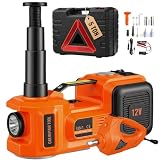

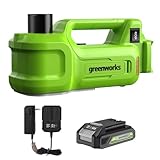
Best Value for Routine Garage Work
For most home garages, look for a 2-ton low-profile floor jack with a minimum height around 3 to 4 inches and a maximum height of at least 18 inches. That combination fits many cars, crossovers, and smaller trucks without being excessively heavy or expensive.
A 2-ton rating means the jack can lift up to 4,000 pounds under its stated conditions. It does not mean you should routinely lift a vehicle weighing 4,000 pounds. A sensible margin is important because you may be lifting one end of the vehicle, working on uneven concrete, or positioning the saddle slightly off-center. For a midsize SUV or pickup, a 3-ton jack is usually the better buy.
Low-profile designs are useful on lowered cars and vehicles with low front subframes. However, they can have a shorter maximum lift than taller conventional jacks. Check your vehicle’s approved lift points and measure the distance from the floor to those points before buying.
Affordable Jack Types Compared
| Jack type | Typical price range | Best use | Main compromise |
|---|---|---|---|
| Compact trolley jack | $40–$80 | Occasional tire changes and small cars | Limited lift height and less stable wheels |
| 2-ton floor jack | $70–$140 | Routine work on cars and crossovers | May struggle with tall SUVs |
| 3-ton floor jack | $100–$220 | Trucks, SUVs, and frequent garage use | Heavier and harder to store |
| Bottle jack | $30–$90 | High-clearance vehicles and emergency use | Small base and poor access under low vehicles |
| Scissor jack | $25–$60 | Emergency roadside tire changes | Slow, tiring, and unsuitable for regular repairs |
A compact trolley jack is the cheaper option that makes sense when you only rotate tires twice a year or keep it as backup equipment. It is less attractive for brake and suspension work because its small wheels can shift as the jack rolls forward during lifting. A full-size floor jack normally tracks more smoothly and gives you better control at the saddle.
Features Worth Paying For
Pay attention to the lifting range before the color, handle design, or advertised “professional” label. A jack that starts at 5.5 inches may not fit beneath a low sedan with a flat tire. One that only reaches 14 inches may not lift a wheel clear of the ground on a taller vehicle.
A broad saddle is helpful at factory lift points, while a removable rubber pad can protect painted pinch welds. Do not assume a thick rubber pad makes every lifting point safe; the saddle still needs to contact the solid point specified by the vehicle manufacturer.
Steel jacks are usually the budget choice and tolerate rough storage, but they can weigh 50 pounds or more. Aluminum or hybrid jacks are easier to move and often cost more, but light weight does not automatically mean better durability. For a stationary home garage, steel is often the stronger value.
Look for a release valve that lowers the jack gradually rather than dropping it abruptly. A long handle reduces pumping effort, but make sure the handle can swing in your garage without hitting a wall or vehicle. A foam sleeve can prevent paint damage, although it will eventually tear.
Brand and Price Value
At the budget end, affordable steel floor jacks from established automotive-tool brands are generally a safer purchase than an unknown jack with an unusually high capacity claim. The useful difference is not always lifting strength; it is replacement seals, clearer instructions, better warranty support, and more consistent release valves.
Spending $20 to $40 more can be worthwhile if it buys a wider base, better casters, or a longer warranty. It is less worthwhile if the upgrade only adds a decorative finish. Read recent reviews for reports of hydraulic leaks, saddle movement, bent handles, and casters that bind under load. Those failures matter more than a five-star rating based on delivery speed.
For a truck or three-row SUV, a 3-ton low-profile floor jack can cover both low cars and heavier vehicles, provided its maximum height is sufficient. A cheaper 2-ton jack is fine for a compact car, but using it near its limit leaves less margin for awkward positioning and uneven surfaces.
Safe Use and Common Failure Modes
Never work under a vehicle supported only by a hydraulic jack. Lift on level, solid concrete, then place appropriately rated automotive jack stands at the manufacturer’s support points. Chock wheels that remain on the ground, set the transmission in Park or in gear, and use the parking brake.
Common failures include hydraulic fluid leaking past worn seals, a release valve that will not hold pressure, and wheels that jam or crack. Stop using a jack if it sinks under load, pumps inconsistently, or shows a bent arm or damaged saddle. Do not add random hydraulic oil; use the fluid specified by the manual, and do not exceed the rated load.
After raising the vehicle, lower it onto stands before removing wheels or applying force to suspension components. Give the vehicle a firm test push from the side. If it rocks, lower it and reposition the stands. A stable setup matters more than saving a few minutes.
When to Buy
Prices often improve around spring tire-change season, Memorial Day, July sales, and Black Friday. Those periods also bring aggressive discounts on low-quality clearance stock, so compare the normal price, warranty, capacity, and lifting range rather than trusting the percentage-off label.
Buy before the first winter storm if the jack is intended for emergency use. A floor jack stored in a damp shed can rust and lose hydraulic performance, while a compact scissor jack takes less space but is best treated as roadside equipment. For routine garage maintenance, a stable 2-ton or 3-ton floor jack paired with properly rated stands remains the affordable setup with the fewest compromises.