Best Cordless Chop Saws: Cuts Per Charge on Steel
What's inside
As an Amazon Associate I earn from qualifying purchases. This post may contain affiliate links at no extra cost to you.
Best Cordless Chop Saws: Cuts Per Charge on Steel
For frequent steel cutting, choose a 9-inch cordless chop saw on your existing high-output battery platform; for lighter loads and better portability, a 7-1/4-inch model is easier to carry but usually makes fewer cuts per charge. The key is matching the saw and battery to the material: rebar, thin-wall EMT, and angle iron use different amounts of energy, and published specifications rarely promise a reliable cut count.
What “cuts per charge” really depends on
A cut-count estimate is only useful when the material, blade, battery, and cutting technique are specified. Cutting 1/2-inch rebar is not comparable to cutting 2-inch angle iron. Battery age, temperature, blade condition, and pauses between cuts also change the result. Manufacturers generally publish tool dimensions, capacity, and weight—not a standardized cuts-per-charge figure—so the estimates below are planning ranges, not guarantees.
As an Amazon Associate we earn from qualifying purchases at no extra cost to you.


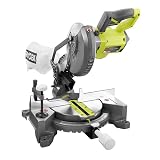

Assumptions for the table: a healthy, fully charged 8.0Ah-class battery, a suitable abrasive metal-cutting wheel, and steady work without forcing the cut. EMT estimates assume common 3/4-inch conduit; angle iron assumes 1-1/2-inch steel with a 1/8-inch wall. Actual results can fall outside these ranges.
| Saw class | Typical wheel | Approx. tool weight* | 1/2-inch rebar | 3/4-inch EMT | 1-1/2-inch angle iron | Best fit |
|---|---|---|---|---|---|---|
| Compact cordless cut-off saw | 3–3-3/8 in. | 4–6 lb | 30–60 cuts | 45–80 cuts | 15–35 cuts | Short, light cuts; portability |
| 7-1/4-inch cordless chop saw | 7-1/4 in. | 12–18 lb | 70–130 cuts | 100–180 cuts | 35–75 cuts | Mixed jobsite work and easier transport |
| 9-inch cordless chop saw | 9 in. | 18–26 lb | 100–180 cuts | 150–260 cuts | 55–110 cuts | Higher volume and larger stock |
*Approximate bare-tool ranges; exact weights and capacities vary by model. Compact cut-off saws are not interchangeable with bench-style chop saws: check the tool’s stated capacity and intended use before buying.
Choosing by job and battery platform
Best for a small truck, punch-list work, or occasional cuts: compact cut-off saw
A compact saw is a good choice when the main priorities are carrying ease and access to a quick cut, not production speed. It can handle conduit, small rebar, and light angle stock within its rated capacity. Its smaller wheel limits depth and may need repositioning for larger pieces. For repeated cuts through structural stock, a chop saw with a larger wheel is more appropriate.
Best balance for mixed work: 7-1/4-inch chop saw
This size suits installers and remodelers who cut a mixture of conduit, threaded rod, rebar, and modest steel sections. It is typically easier to move and store than a 9-inch saw, while offering more capacity than a compact cut-off tool. If your battery system already has a compatible 18V-class or 20V MAX-class platform, compare the manufacturer’s supported high-capacity batteries and the saw’s rated cutting capacity before adding a bare tool.
Best for repeated cuts and larger stock: 9-inch chop saw
A 9-inch wheel generally provides greater cutting depth and can reduce the need to reposition stock. That advantage comes with more tool weight, a larger footprint, and a heavier battery load. For crews cutting bundles of rebar or repeated lengths of angle iron, carrying a spare charged battery may be more useful than buying a lighter battery that runs down sooner.
| Your situation | Practical choice | Why |
|---|---|---|
| Occasional cuts; limited storage or frequent ladder-to-ground moves | Compact cut-off saw | Lowest carry burden; accept less capacity and lower output |
| Several material types; moderate daily use | 7-1/4-inch chop saw on your current platform | Useful compromise between capacity, runtime, and transport |
| Repeated heavy stock cuts; fixed work area | 9-inch chop saw with a high-capacity battery | Larger wheel and more battery reserve suit sustained work |
| Frequent cuts across multiple shifts | Platform with readily available batteries and a spare pack | Swapping packs reduces downtime; avoid choosing on tool price alone |
Battery-platform trade-offs to check
Brands such as Milwaukee, DEWALT, Makita, and Bosch offer cordless metal-cutting tools across their battery ecosystems, but the specific saw, voltage class, wheel size, and regional model availability differ. Confirm that the tool is a chop saw—not a handheld metal-cutting circular saw—and that the battery you own is explicitly compatible. A high-capacity pack can improve sustained output and cuts per charge, but it adds weight and cost; a compact pack keeps the saw lighter but may reach its low-charge cutoff sooner under heavy load.
When comparing two options, check these details rather than relying on voltage labels alone:
- Maximum cutting capacity: Check the manufacturer’s capacity chart for round, square, and rectangular stock. A larger wheel does not guarantee that every shape fits.
- Battery included or bare tool: A bare tool may be economical if you already own compatible packs. Otherwise, include the battery and charger in the purchase comparison.
- Brake and restart behavior: A fast stop can make repeated work more convenient. Read the manual for restart and overload behavior, particularly if the blade stalls.
- Wheel availability: Confirm the required diameter, arbor, speed rating, and material type. Use only accessories approved for the saw.
- Footprint and handling: Check the published bare-tool weight and consider the added battery weight. A heavier saw can be tiring to move, even if it is steadier on a bench.
Estimate your own cuts per charge
Rather than treating a broad range as a promise, make a short, repeatable count with the exact stock you cut most often. Start with a fully charged battery and a fresh, correct wheel. Cut ten pieces using consistent stock length and technique; note the battery indicator, time, and whether the tool slowed or stopped. Repeat with another pack if possible. If ten cuts consume roughly one-quarter of the usable charge, a rough planning estimate is about 40 cuts—but battery indicators are not precise fuel gauges, and heavy cuts near the end of the pack can reduce that total.
For a purchase decision, calculate expected daily demand. If a crew needs 60 cuts of 1/2-inch rebar each day and a conservative planning estimate is 80 cuts per charge, one pack may be enough in ideal conditions. A spare is still prudent when a delay would interrupt work, when batteries are cold, or when the material is heavier than the estimate assumes. Do not buy a larger saw solely to chase runtime: its capacity advantage matters only if the stock requires it.
Wheel wear, cleanup, and safe use
Abrasive wheels are consumables. They gradually shrink, so cutting depth and speed can decline before the battery is empty. A wheel that is worn, damaged, or unsuitable for the material can make a saw work harder and reduce useful cuts per charge. Replace it according to the manual and the wheel maker’s instructions; never use a wheel with a speed rating below the saw’s required rating.
Metal dust and abrasive grit can collect around the guard, base, and motor openings. Disconnect or remove the battery before cleaning, then follow the tool manual’s cleaning guidance. Keep ventilation openings clear, inspect the guard and clamp, and secure the workpiece so it cannot shift or pinch the wheel. Wear eye and hearing protection, and use the required protection for hot sparks and metal fragments. Keep sparks away from flammable materials and follow site rules for fire prevention.
Bottom line
Choose a compact cut-off saw for light, occasional work; a 7-1/4-inch cordless chop saw for general mixed-material cutting; and a 9-inch model when capacity and sustained cutting matter more than portability. Compare cuts per charge only for the same stock, wheel, and battery size. If the maker does not publish a standardized count, treat estimates as a starting point and use your own short cut-count check before planning a full day’s production.