
What's inside
- Top Picks at a Glance
- Comparison Table
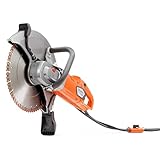
- 1. Husqvarna K770: Best Overall for Gas Cutting
- 2. Klutch Gas Concrete Cut Saw: Best Value Gas Pick
- 3. DNYKER 14-Inch 74cc Gas Concrete Cutter: Best Budget Gas Pick
- 4. Evolution R14DCT: Best Electric Concrete Saw
- 5. Milwaukee M18 FUEL 9-Inch Cut-Off Saw: Best Battery for Metal and Light Masonry
- 6. Bosch GCS18V-230N: Best Premium Battery Pick for Light, Careful Work
- 7. DEWALT 60V 9-Inch Cordless Cut-Off Saw Kit: Best for 60V Crews
- Also Consider
- How We Chose
- Buying Guide
- Common Mistakes to Avoid
- Frequently Asked Questions
- Which One Should You Buy?
- Sources
As an Amazon Associate I earn from qualifying purchases. This post may contain affiliate links at no extra cost to you.
The best concrete cut off saw for most pros who cut slabs, curbs and pipe every week is a 14-inch gas power cutter such as the Husqvarna K770, because it combines a roughly 5-inch cutting depth with the freedom to work away from an outlet. If your cuts are shallow, near power and occasional, a 14-inch electric wet-cut saw like the Evolution R14DCT is the more comfortable runner-up: no fuel, no exhaust and built-in water feed for dust control. Battery 9-inch cut-off saws round out the field for metal, conduit and small masonry jobs where convenience beats depth.
This guide is for homeowners and contractors who searched for the best concrete cutting saws, the best cut off saws in general, or a straight answer to gas versus electric. It is research-based: we compared manufacturer spec sheets, listing details and published owner and trade feedback, and we did not personally use these products. Where a figure could not be confirmed, it says “not listed”. There is already a separate article on this site about electric-only cut-off saws, so this one takes a wider view: gas power cutters first, then electric and battery alternatives, with blade and dust-safety guidance throughout.
As an Amazon Associate we earn from qualifying purchases at no extra cost to you.


Our Top Picks
Top Picks at a Glance
- Best Overall: Husqvarna K770 14-inch gas power cutter
- Best Value Gas: Klutch 14-inch gas concrete cut saw
- Best Budget Gas: DNYKER 14-inch 74cc gas concrete cutter
- Best Electric: Evolution R14DCT 14-inch electric concrete saw
- Best Battery for Metal and Light Masonry: Milwaukee M18 FUEL 9-inch cut-off saw
- Best Premium Battery: Bosch GCS18V-230N 18V 9-inch cutoff saw
- Best for Cordless Fleets on 60V: DEWALT 60V 9-inch cordless cut-off saw kit
Comparison Table
| Product | Best for | Key specs | Watch for | Price tier |
|---|---|---|---|---|
| Husqvarna K770 | Daily slab, curb and pipe cutting | 14-inch blade, about 73.5 cc 2-stroke, 5 hp, 5 in. max depth, about 22 lb without blade | Highest cost of the gas group; needs fuel mix and water for dust | Premium |
| Klutch gas concrete cut saw | Contractors who want 14-inch depth for less | 14-inch blade, 4.7 HP, 5 in. cutting depth | Weight and service network not listed | Mid-range |
| DNYKER 14-inch gas cutter | Occasional heavy cuts on a tight budget | 74 cc 2-stroke, 14-inch blade, water connection | Parts and support depth not listed | Budget |
| Evolution R14DCT | Indoor or near-power wet cutting | 14-inch blade, 20 A motor, 5-1/8 in. depth, about 31 lb, auto water feed | Needs a 20 A circuit and a water supply; short duty cycle noted by retailers | Mid-range |
| Milwaukee M18 FUEL 9-inch | Battery cutting of metal, conduit, pavers | 9-inch wheel, 18V platform, ONE-KEY connectivity | Shallower cuts; battery not included in bare form | Premium |
| Bosch GCS18V-230N | Light, ergonomic cordless cutoff work | 9-inch, 18V brushless, concrete and metal cutting | Bare tool; batteries separate | Premium |
| DEWALT 60V 9-inch kit | Crews already on a 60V battery system | 9-inch wheel, 60V cordless kit | Highest battery-class cost; runtime figures not listed | Premium |
1. Husqvarna K770: Best Overall for Gas Cutting
- Engine: 2-stroke, about 73.5 cc (4.48 cu. in.), 5 hp, per the maker’s spec sheet
- Blade: 14 inches, maximum cutting depth 5 inches
- Weight: about 22 lb, without fuel or blade
- Fuel tank: about 0.95 quart
- Dust control: built for water-fed wet cutting with the right fittings
Best for: anyone cutting concrete, block, pipe or asphalt for a living, or a serious DIYer renting less and owning more. Skip if: you cut a handful of times a year or only 2 inches deep; you are paying for capability you will not use.
The K770 is the benchmark the rest of the gas category gets measured against, and the reason is not complicated. A 14-inch blade with 5 inches of depth lets you cut through a standard residential slab in a single pass, and a 5 hp engine holds blade speed when the segment is loaded. At about 22 pounds without a blade it is light for the class, which matters more than most buyers expect: a power cutter is held out in front of the body, and every extra pound shows up in your wrists by the third cut.
In practice the K770 earns its price through dealer support and consumables. Replacement drive belts, air filters and diamond blades are stocked widely, so downtime is measured in a trip to a shop rather than a week of waiting. Wet cutting is the intended method; a water-fed blade runs cooler, lasts longer and keeps respirable silica dust down, which is the real safety issue with concrete. Dry cutting with a plain blade is possible with the correct dry-rated diamond wheel, but you should still wear a fitted respirator.
The trade-offs are exactly what you would expect from a petrol machine: fuel mixing, exhaust, noise and a starting routine. If you work indoors or in a trench, gas is the wrong tool regardless of brand.
Pros: strong depth and power for the weight; wide parts and dealer availability; proven pro-grade layout; suits wet cutting. Cons: highest cost in the gas group; needs fuel, oil mix and maintenance; not for enclosed spaces.
2. Klutch Gas Concrete Cut Saw: Best Value Gas Pick
- Power: 4.7 HP, per the listing
- Blade: 14 inches
- Cutting depth: 5 inches
- Weight: not listed in the title; check the product page before buying
- Use: masonry and concrete cutting
Best for: small contractors, landscapers and property owners who need 14-inch capability on a mid-range budget. Skip if: you need dealer-network service or will run the saw all day, every day.
On paper the Klutch matches the K770 on blade size and nominal depth while giving up a little rated power. For footings, patio slabs, driveway control joints and the occasional broken-out section, a 4.7 HP unit is generally adequate when paired with a decent diamond blade. The practical difference shows up in sustained loaded cuts, where a stronger engine bogs less and finishes faster.
Buy this class of saw with two questions in mind: who stocks the belt and filter, and how easy is it to get the blade on and off? Because exact weight and parts support are not listed in the sources we reviewed, treat those as items to confirm. A saw that sits idle for a month needs fresh fuel and a clean carburetor, so drain the tank or use stabilized fuel if usage is infrequent.
Pros: 14-inch blade and 5-inch depth at a lower tier than premium brands; capable for typical residential slab work. Cons: service coverage and weight not listed; lower rated power than the top pick; typical maintenance burden of any 2-stroke.
3. DNYKER 14-Inch 74cc Gas Concrete Cutter: Best Budget Gas Pick
- Engine: 74 cc 2-stroke, per the listing
- Blade: 14 inches
- Feature: water connection for wet cutting
- Materials: concrete, stone and steel per the listing
- Weight and warranty: not listed
Best for: an owner-builder with one big cutting weekend ahead. Skip if: this is a business tool; downtime costs more than the savings.
A 74 cc engine puts this machine on a similar displacement footing to the premium cutter, and a water connection means you can do it properly with dust suppression. The compromise with value-priced imports is rarely the headline spec; it is vibration, fit of the guard and belt cover, fuel line quality and how quickly parts can be matched. For a one-off job, those risks are acceptable if you inspect the saw before every use, check belt tension and keep a spare air filter and spark plug.
If you plan to buy cheap, spend part of the savings on a quality diamond blade. The blade, not the engine, determines cut speed, edge quality and how much dust you generate. A good segmented blade on a modest engine beats a bargain blade on a strong one.
Pros: large displacement and 14-inch blade at the lowest gas tier; water connection included in the feature set. Cons: support and parts depth not listed; unknown long-term durability; weight unconfirmed.
4. Evolution R14DCT: Best Electric Concrete Saw
- Motor: 20 A, per the maker and retailer listings
- Blade: 14 inches, 1-inch arbor
- Cutting capacity: 5-1/8 inches at 90 degrees
- Weight: about 31 lb (sources vary slightly)
- Dust control: trigger-activated automatic water feed
- Rated speed: about 3,500 rpm per the maker; some retailers list 3,750
Best for: wet cutting where fumes are a problem: garages, basements, enclosed jobs and sites with a reliable outlet. Skip if: you only have a standard 15 A household circuit or you need to move around a yard with no power.
The R14DCT answers the question most electric-saw buyers actually have: can a plug-in machine take a real 14-inch blade and cut deep enough for slabs? On paper, yes: 5-1/8 inches of depth is slightly more than the gas headliner. The built-in water feed turns on with the trigger, which is a real quality-of-life feature, because slurry control is half the cleanup battle. Retailers also note a 20 A plug requirement and a limited maximum duty cycle, so plan for rest breaks on long cuts and confirm the circuit before you buy.
Electric saws win on noise, exhaust and starting. No pull cord, no fuel mix, no carbon monoxide risk indoors, though dust still needs wet cutting and respiratory protection. They lose on mobility and on the weight: at about 31 pounds, it is heavier than the premium gas pick, and a cord adds drag. Use a heavy-gauge extension cord rated for the amperage, keep it short, and keep connections away from standing water. A GFCI-protected supply is the baseline for any wet-cut electric tool.
Pros: 5-1/8-inch depth; automatic water feed; no fuel or exhaust; quiet by comparison. Cons: needs a 20 A circuit; heavier; cord limits reach; duty cycle limits continuous cuts.
5. Milwaukee M18 FUEL 9-Inch Cut-Off Saw: Best Battery for Metal and Light Masonry
- Platform: M18, brushless FUEL line
- Wheel: 9 inches
- Connectivity: ONE-KEY tool tracking and customization
- Battery and charger: sold separately in the bare configuration; confirm the kit before ordering
- Cutting depth and runtime: not listed in the sources we reviewed
Best for: electricians, plumbers and facility crews cutting conduit, strut, threaded rod, pavers and small masonry without hauling a gas saw. Skip if: you need to slice through a 4-inch slab; a 9-inch wheel does not reach there.
Battery cut-off saws occupy a different job from 14-inch gas machines. A 9-inch wheel generally cuts about 3 inches deep, which is good for pavers, block courses, rebar and steel, but not for structural concrete. The appeal is zero fuel handling and the ability to share batteries with the rest of an M18 tool kit, which is a major factor for crews already invested in that system.
Spark control matters with abrasive wheels on metal. Keep combustibles clear, wear face and eye protection, and use wheels rated for the saw’s rpm. For masonry, choose a diamond wheel designed for dry cutting and still wear a respirator.
Pros: no gas; shares the M18 battery ecosystem; compact for overhead and awkward cuts. Cons: limited depth compared with 14-inch saws; bare tool needs batteries; runtime unverified here.
6. Bosch GCS18V-230N: Best Premium Battery Pick for Light, Careful Work
- Platform: Bosch 18V, brushless
- Wheel: 9 inches (230 mm)
- Designed for: concrete and metal cutting per the listing
- Configuration: bare tool, batteries sold separately
- Weight and cutting depth: not listed in the title
Best for: trades that value a lighter, ergonomic design and already use Bosch 18V batteries. Skip if: your fleet is on another platform; adding a battery system just for one saw rarely makes sense.
The Bosch lines up directly against the Milwaukee, and the choice usually comes down to which battery family you own. The listing emphasises a lightweight, ergonomic design, a useful trait for overhead conduit work where arm fatigue is the limiting factor. As always with cordless cut-off saws, wheel selection matters as much as the motor: a quality diamond wheel can last far longer than a bonded abrasive on masonry, while a thin abrasive wheel is better for fast, clean steel cuts.
Pros: brushless 18V; designed for both concrete and metal; ergonomic emphasis. Cons: premium cost; bare tool; specs like weight and depth not listed in our sources.
7. DEWALT 60V 9-Inch Cordless Cut-Off Saw Kit: Best for 60V Crews
- Platform: DEWALT 60V
- Wheel: 9 inches
- Format: kit, with battery and charger per the listing name; confirm contents
- Runtime, weight, depth: not listed
Best for: contractors already running 60V tools who want a cordless answer to a small gas cutter. Skip if: you do not own 60V batteries; the entry cost is the highest in this guide.
This kit is the bridge between a 9-inch cordless saw and a gas power cutter. A higher-voltage platform means more available power and, typically, longer sustained cuts than 18V options, which is the argument for stepping up. The drawback is cost and battery size. If you run only a few cuts a day, a smaller 18V machine will serve just as well. If you cut many pavers or blocks daily and want to leave the gas can behind, this is the one to price against a K770 including fuel, oil and maintenance.
Pros: high-voltage platform; no fuel; kit includes power. Cons: premium tier; depth limited by 9-inch wheel; runtime details not listed.
Also Consider
- VEVOR 9-inch electric concrete cutter: a budget plug-in option with a 9-inch blade and about 3.5-inch cutting depth per its listing. Suited to pavers and brick at a low entry point.
- Evolution R6DCT 6-inch electric concrete saw: a compact 1600 W wet-cut saw with about 2 inches of depth, per the listing. Good for tile, pavers and light block.
- DEWALT DCS438B 3-inch cut-off tool: a small 20V MAX tool for metal and tile. It is a precision accessory, not a concrete saw: depth is under an inch.
- Stark USA gas walk-behind concrete cut-off saw: a floor-style saw with a 14-inch blade and adjustable depth, for long straight joints in slabs and driveways. It does a different job from a handheld cutter.
How We Chose
We started with the product store this site pulls from and filtered for current, clearly described concrete and masonry cutting saws. We compared manufacturer spec sheets where available, retailer listing details and published trade and owner commentary, and we grouped the results by power type (gas, corded electric, battery) so you can compare like with like. We did not personally use these products, and nothing here is a lab measurement. Where a figure appeared only in a title or differed across sources, we either used the more conservative number or marked it “not listed”. Prices are shown as tiers only, because they move daily.
We limited each brand to a small number of picks and prioritised on-intent models: 14-inch gas power cutters, 14-inch electric wet saws and 9-inch battery cut-off saws. Small 3-inch cut-off tools and walk-behind floor saws appear only under Also Consider because they serve different jobs.
Buying Guide
Gas vs electric vs battery
Choose gas when you need depth and mobility: 14-inch blades, 5 inches of cut and no cord. Choose corded electric when you work indoors or in enclosed areas, want automatic water feed and have a proper circuit. Choose battery when most cuts are metal, conduit, pavers or small block and you already own a compatible battery platform. A common rule is that if you need to cut more than about 3 inches deep regularly, a 9-inch cordless saw will frustrate you.
Blade size and cutting depth
Blade diameter sets maximum depth, minus the guard and flange. A 14-inch blade typically cuts about 5 inches, a 12-inch about 4 inches, a 9-inch about 3 inches and a 6-inch about 2 inches. Measure the thickest material you cut regularly and add a margin. Slabs are commonly 4 inches thick, so a 14-inch saw is the safe choice for through-cuts.
Diamond blade selection
Match the blade to the material. Segmented blades cut fast and run cooler in concrete and block. Continuous-rim blades give cleaner edges in tile and pavers. Turbo rims are a compromise. Cured, hard concrete with aggregate needs a softer bond so new diamonds expose as old ones wear; abrasive materials like asphalt or green concrete need a harder bond. Always confirm the arbor size and the blade’s maximum rpm against the saw. Demolition and rescue-style blades are a separate category built for mixed materials and are not a general concrete blade.
Dust and silica safety
Cutting concrete releases respirable crystalline silica. Use water suppression whenever possible, wear a respirator with the filter class recommended by your local safety regulator, and keep bystanders out of the plume. Wear eye and hearing protection, gloves and sturdy footwear. Do not rely on a dust mask intended for sawdust. Follow the manufacturer’s manual and workplace regulations; this guide is not a substitute for them.
Weight, handles and kickback
A power cutter that feels fine for one cut can be exhausting by the fortieth. Prefer a balanced saw with a wide rear handle. Understand kickback: pinching the blade or cutting with the upper quadrant can throw the saw back toward you. Support the work, mark a clear line and let the blade do the cutting without leaning on it.
Common Mistakes to Avoid
- Buying a 9-inch cordless saw to cut slabs; it will not reach through.
- Running a plug-in saw on a household circuit that is too small or without GFCI protection.
- Using an abrasive metal wheel on masonry or a masonry wheel on steel.
- Skipping water on a dry-cut job in a closed space.
- Leaving fuel in a gas saw for months.
- Putting an oversized blade on a saw not rated for it, or exceeding blade rpm limits.
Frequently Asked Questions
What is the best concrete cut off saw for a homeowner?
For occasional work, a corded 14-inch electric wet saw or a rented gas cutter is usually enough. Buy a gas saw such as the K770 only if you expect repeated use. The best concrete cutting saws for DIY are the ones you will maintain and use safely.
Are gas cut-off saws better than electric?
Gas saws are better for mobility and deep cuts in open areas. Electric saws are better indoors, quieter and easier to start. Neither is universally better; match the saw to the site.
Can a cut off saw cut metal and concrete?
Yes, but not with the same wheel. Use an abrasive or metal-rated diamond wheel for steel, and a diamond masonry blade for concrete. Confirm the blade is rated for the material and the saw’s rpm.
What size diamond blade do I need?
Use the diameter listed in the saw’s manual. A 14-inch blade is the common size for handheld gas and electric concrete saws, and 9-inch for cordless cut-off saws. Mismatched blades can be dangerous.
Are diamond hole saws the same as cut-off saws?
No. Diamond hole saws are core bits that cut round holes in tile, stone and concrete, and they mount on a drill. A cut-off saw makes straight cuts with a flat blade. Choose the tool by the shape of the cut.
Do I need water when cutting concrete?
Wet cutting is the preferred method because it controls silica dust and cools the blade. Dry-rated blades exist, but they still need a respirator and good ventilation, and they wear faster.
How deep can a cordless cut-off saw cut?
A 9-inch wheel typically cuts around 3 inches deep, per general class norms; exact depth is not listed for the models above, so check the manual. For slabs, step up to a 14-inch saw.
Which One Should You Buy?
If you cut slab, curb or pipe regularly, buy the Husqvarna K770 and spend the savings on good blades. If you want the same depth for less money and can accept less support, the Klutch is the value gas pick, with the DNYKER as a budget one-off tool. If you work indoors or hate fuel, the Evolution R14DCT is the electric choice. If your cuts are mostly steel, conduit and pavers, pick the 9-inch cordless saw that matches your battery platform: Milwaukee M18, Bosch 18V or DEWALT 60V.
Sources
- Husqvarna K 770 power cutter product and spec sheet
- Evolution Power Tools R14DCT product page
- DEWALT DCS438 cut-off tool product information and ToolGuyd coverage
- Milwaukee Tool, Bosch and DEWALT cordless cut-off saw listings
- OSHA guidance on respirable crystalline silica in construction
Last updated: October 2026
Related guides
More from Amazon
Programs that pair well with the guide above. Offers and eligibility are set by Amazon and may change.
A free business account with business pricing and bulk-buying tools for work, shop or home office.
Create a business accountFree shipping on eligible items, Prime Video and more. Eligible new members can start with a free trial.
Start a Prime free trialAudiobooks and podcasts to listen to on the go. Eligible new members can start with a free trial.
Try Audible freeAd-free music streaming. Eligible new subscribers can start with a free trial.
Try Music Unlimited freeAs an Amazon Associate we earn from qualifying purchases.
Write Your Review
No reviews yet. Be the first to share your experience!