Best Budget Dust Extractor for Connecting to a Random Orbital Sander
What's inside
As an Amazon Associate I earn from qualifying purchases. This post may contain affiliate links at no extra cost to you.
A random orbital sander can fill a room with fine dust surprisingly quickly. A shop vacuum can handle the job, but a mismatched hose, clogged filter, or leaky adapter can make even a strong vacuum disappointing. For most budget-minded DIYers, the best value is a small shop vacuum with a cartridge filter, a disposable collection bag, and a secure connection to the sander—not necessarily a dedicated dust extractor.
As an Amazon Associate we earn from qualifying purchases at no extra cost to you.
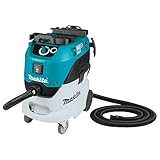

Best budget choice: a small shop vacuum with a fine-dust setup
Look for a 4- to 6-gallon wet/dry vacuum with a washable or replaceable cartridge filter, a dust bag made for fine debris, and an inlet that can connect to a 1-1/4-inch hose or adapter. A compact vacuum is easier to move around a workbench and usually costs less than a dedicated extractor. The bag matters: it captures much of the sanding dust before it reaches the filter, helping preserve suction and making cleanup less messy.
Shop-vac listings often emphasize horsepower, but that number does not tell you how well the vacuum will collect dust at a sander’s small exhaust port. Check hose diameter, filter availability, and whether compatible bags are sold separately. A practical starting point is a 4-gallon shop vacuum with a fine-dust filter and bag. If you already own a vacuum, try a proper filter and adapter before buying another one.
What matters when sanding
Filtration: Fine sanding dust can pass through a basic foam sleeve or coarse filter and blow back into the room. Use a cartridge filter rated for fine dust, and add a collection bag if one is available for your vacuum. A HEPA filter can be worthwhile for frequent indoor work, but it costs more and still depends on a tight-fitting filter and intact seals. No filter makes uncontrolled dust harmless; wear a suitable respirator and use sensible ventilation, especially when sanding old paint or unknown coatings.
Hose and adapter fit: Random orbital sanders commonly use a dust port around 1 inch, while shop-vac hoses are often 1-1/4 or 1-1/2 inches. Measure the sander port and vacuum hose rather than assuming the included adapter will fit. A tapered rubber adapter or stepped reducer can solve a size mismatch. If the connection is loose, use a compatible fitting or a small amount of removable tape around the outside; do not block the port or create a narrow, kinked passage.
Airflow and suction: A long, narrow hose and a clogged bag restrict airflow. Keep the hose as short and straight as the setup allows, and check the filter when suction falls. A small vacuum can collect dust well on a sander when the port connection is good, even if it is not intended for continuous heavy-duty use. For large sanding sessions, a vacuum with a higher-quality filter and automatic filter cleaning is more comfortable, but usually costs substantially more.
Budget options compared
| Setup | Typical price range | Best for | Main trade-off |
|---|---|---|---|
| Existing shop vacuum plus adapter | $10–$40 for filter, bag, or fittings | Occasional projects and owners who already have a vacuum | May be noisy; results depend on the filter and hose fit |
| Compact 4- to 6-gallon shop vacuum | About $60–$150 | DIY sanding, cleanup, and general home use | Usually lacks automatic filter cleaning and extractor-style controls |
| Small dust extractor | About $200–$500 or more | Frequent indoor sanding and multiple tool connections | Higher upfront cost; bags and replacement filters may also cost more |
Prices vary by retailer, included accessories, and promotions, so compare the actual package rather than the headline price. A vacuum bundled with a fine-dust filter and bags may be a better buy than a cheaper bare unit. For occasional furniture refinishing or a few rooms of trim, a compact wet/dry vacuum with a cartridge filter is usually enough.
How to connect it without losing suction
First, install the correct cartridge filter and bag according to the vacuum manual. Attach the hose to the sander’s dust port with a snug adapter, then run the vacuum before you start sanding. Check the connection for leaks and make sure the hose does not pull the sander sideways. If the sander feels harder to move or its pad seems to stick to the surface, the hose may be too restrictive or the vacuum may be pulling too strongly. A simple airflow control or a vacuum with variable suction can help, but avoid opening a leak at the tool if it sends dust into the room.
Use the sander’s pad holes with matching abrasive discs. Misaligned holes reduce dust pickup, even with a good vacuum. Empty or replace the bag before it is packed tight, and clean or replace the filter when the vacuum’s airflow drops. Fine dust can load a filter quickly; tapping it outdoors may release dust, so follow the manufacturer’s cleaning directions and wear respiratory protection.
When a dedicated extractor is worth paying for
Upgrade if you sand indoors several days a week, work for long stretches, or need better dust containment around occupied rooms. Extractors typically offer better filtration, tool-triggered outlets, anti-static hoses, and filter-cleaning features. Those conveniences can save time, but they do not automatically justify the price for an occasional DIY project. Compare the extractor’s included hose and adapters with the cost of improving a vacuum you already own. A small dust extractor with a tool-triggered outlet makes more sense when you will use those features regularly.
For a tight budget, spend first on a good filter, a dust bag, and a leak-free adapter. Those parts often improve a basic setup more than buying a larger vacuum based on its advertised horsepower. If the vacuum still clogs quickly or leaves visible dust despite a clean filter and well-fitted connection, that is a real reason to move up—not just a bigger number on the box.