Best Budget Shop Vacuum for a Garage Woodworking Setup
What's inside
As an Amazon Associate I earn from qualifying purchases. This post may contain affiliate links at no extra cost to you.
Best Budget Shop Vacuum for a Garage Woodworking Setup
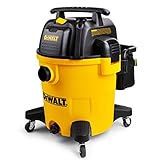
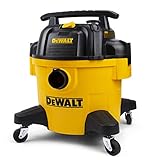
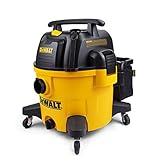
For most garage woodworkers, the best budget shop vacuum is a 12- to 16-gallon wet/dry vacuum with a 5 to 6 peak horsepower motor, a standard 2-1/2-inch hose, and a usable cartridge filter. It does not need to be the loudest or largest machine in the store. It needs enough airflow to collect dust from a sander, router, miter saw, or table saw without constantly clogging or tipping over.
A cheap shop vacuum is fine for cleanup and occasional tool connection. It is not automatically a safe substitute for a dedicated dust collector. Fine wood dust can pass through a poor filter, settle throughout the garage, and create a respiratory hazard. For regular cutting of plywood or hardwood, budget for a proper fine-dust filter, a separator, and a dust mask or respirator in addition to the vacuum.
As an Amazon Associate we earn from qualifying purchases at no extra cost to you.

What to Look For at the Budget Level
Airflow matters more than the advertised peak horsepower number. Manufacturers measure peak horsepower under conditions that do not represent normal use. A vacuum claiming 5 or 6 peak horsepower may perform similarly to another machine with a lower rating once a hose, filter, and tool port are attached.
Look for a vacuum with at least 100 to 150 CFM of stated airflow and 60 inches or more of sealed suction. These specifications are not perfectly comparable between brands, but they provide a useful baseline. A 2-1/2-inch hose is preferable to a narrow 1-1/4-inch hose because it reduces restriction and is less likely to plug with chips.
Filter design is equally important. A reusable cartridge filter is more practical than disposable paper bags for general garage work, but fine-dust filtration varies widely. A pleated filter rated for fine dust or HEPA filtration is worth paying for if you sand often. Check replacement filter prices before buying: a low-cost vacuum that requires expensive filters every few months can lose its value quickly.
A built-in power outlet is convenient for automatic tool switching, but it is not essential. If included, check its maximum amperage. A vacuum outlet rated for 10 or 12 amps may not safely support a high-draw saw and vacuum together. Wheels, a long cord, a drain plug, and a flat top for storing accessories are practical features that matter more than decorative controls.
Budget Shop Vacuum Options Compared
| Vacuum type | Typical price | Best use | Main limitation |
|---|---|---|---|
| Small 5- to 8-gallon wet/dry vacuum | $50-$90 | Cleanup, small sanders, occasional projects | Small hose, limited capacity, easier to tip |
| 12- to 16-gallon wet/dry vacuum | $80-$160 | General garage woodworking and cleanup | Louder and bulkier than compact units |
| Dedicated compact dust extractor | $180-$400 | Frequent sanding and fine-dust collection | Higher purchase and filter costs |
| Two-stage dust collector | $300-$700 | Table saws, planers, and larger stationary tools | Needs floor space and ducting |
For a first garage setup, compare 12-gallon wet/dry shop vacuums before jumping to a specialized extractor. This size usually offers the best balance of price, capacity, hose compatibility, and mobility. A 5- to 8-gallon unit can be the better choice when storage is tight or the vacuum will mainly collect hand-tool debris.
The Best Low-Cost Dust-Collection Setup
Connect the vacuum to a cyclone separator or dust deputy-style pre-separator before connecting it to the tool. The separator catches chips and heavier dust in a separate bucket, often collecting 80 to 95 percent of the debris before it reaches the vacuum filter. This preserves suction and makes emptying less messy.
Use a short, smooth 2-1/2-inch hose where possible. Long ribbed hoses add resistance, and every adapter reduces airflow. A vacuum connected to a miter saw through a narrow 1-1/4-inch port will not capture everything, even if the vacuum itself is powerful. For a table saw or router table, add an enclosure or under-table pickup rather than relying only on the blade guard port.
A filter bag can be worthwhile for dry dust. Bags improve cleanup and protect the cartridge filter, but they reduce capacity and can become expensive. Do not use a paper bag for wet pickup, and remove the dry filter before vacuuming water unless the manufacturer specifically allows that configuration. Water and fine dust can combine into a paste that blocks the filter almost immediately.
For sanding, look at fine-dust and HEPA cartridge filters for shop vacuums. A filter upgrade can make a basic vacuum more useful, but it cannot turn a small vacuum into a high-volume dust collector. If the filter loads in minutes, airflow will fall sharply and dust will escape around connections or through the tool.
Brand Value and Failure Points
Major wet/dry vacuum brands generally offer better hose fittings, replacement filters, wheels, and warranty support than anonymous discount brands. That does not mean the premium brand always collects more dust. In the budget range, a well-equipped store-brand vacuum can be the better buy if replacement parts are available locally.
Before ordering, check the cost of a replacement cartridge filter, hose, and bags. A $70 vacuum with a $35 filter is less attractive than a $100 vacuum with a $15 filter. Inspect reviews for common failures: cracked hose cuffs, stuck float valves, weak latches, overheating during long runs, and casters that pop out when the tank is full.
Noise is another trade-off. Many garage vacuums run around 75 to 85 decibels, loud enough to require hearing protection. A quieter compact extractor may be more pleasant for sanding, but the premium often buys noise control, automatic filter cleaning, and finer filtration rather than dramatically higher chip capacity.
When to Buy and When to Spend More
Prices usually improve during spring tool promotions, Father’s Day sales, Black Friday, and end-of-year clearance. Wet/dry vacuums also appear in seasonal hardware-store promotions when people are preparing garages and workshops. Compare the complete package rather than the sale sticker: a vacuum bundled with a poor filter may cost more to make usable.
Buy the inexpensive 5- to 8-gallon option if you mainly sweep up chips, drill occasionally, or use a random-orbit sander only a few times each month. Choose the 12- to 16-gallon class if you work weekly, use several corded tools, or want a standard hose and larger tank. Move to a dedicated extractor or two-stage collector when fine dust, planing chips, or daily production work becomes the main job. The cheaper vacuum is fine until its limited airflow and filter capacity start slowing the work—or spreading dust instead of collecting it.