Best Budget Pressure Washer for Cleaning Fences and Outdoor Steps
What's inside
As an Amazon Associate I earn from qualifying purchases. This post may contain affiliate links at no extra cost to you.
A fence and a set of outdoor steps rarely need a high-powered pressure washer. Too much pressure can strip paint, rough up softwood, force water under siding, or chip mortar. For most homeowners, a compact electric washer in the roughly 1,700–2,000 PSI range is the value pick: easier to store and maintain than a gas unit, with enough cleaning power for ordinary dirt and algae when paired with a sensible nozzle and detergent.
As an Amazon Associate we earn from qualifying purchases at no extra cost to you.


What to buy for fences and steps
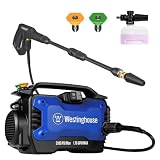
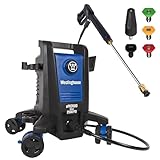
Look for an electric pressure washer with a published pressure rating around 1,700–2,000 PSI and flow near 1.2–1.5 gallons per minute. The pressure number alone does not tell you how quickly the washer will clean; flow also matters. A higher-flow machine can rinse faster, but for a modest fence or stairway, a basic electric unit is usually adequate.
Before buying, check what comes in the box. A usable set of quick-connect tips, a detergent tank or siphon tube, and a hose long enough to reach the work area are more valuable than a bundle of hard-to-identify accessories. A 25-foot high-pressure hose is common; a shorter one may mean moving the washer repeatedly. If you want to compare current entry-level options, start with budget electric pressure washers.
A compact electric washer is a poor choice if you need to clean a large property every week, remove heavy concrete buildup quickly, or work far from an outlet and water supply. In those cases, more flow or a gas-powered machine may justify the extra cost. For a few residential jobs each season, though, gas power often adds noise, fuel handling, maintenance, and expense without making delicate fence work safer.
Budget options by job
| Type | Typical price range | Best use | Main trade-off |
|---|---|---|---|
| Entry-level electric washer | $100–$180 | Small fences, steps, patio furniture | Slower on large areas; basic hose and fittings |
| Better-equipped electric washer | $180–$300 | Regular home cleaning and longer sessions | Costs more; does not automatically clean delicate wood better |
| Compact gas washer | $300 and up | Frequent work or larger areas away from outlets | More noise, upkeep, and risk of surface damage |
| Garden hose with spray nozzle | $10–$40 | Loose dust and routine rinsing | Won’t remove established grime as quickly |
Prices vary by season and retailer, and advertised PSI figures are not always measured the same way. Treat the ranges as buying guidance, not a promise about a particular listing. For a lightly soiled fence, a hose and a mild cleaner may be enough; there is no value in buying a washer just to avoid a little scrubbing.
Pressure, nozzle, and surface risk
Start with the widest spray tip supplied, often marked 40 degrees, and test on a hidden spot. Hold the wand about 18–24 inches away, keep it moving, and reduce the distance only if the dirt is not lifting. A narrow 0-degree tip concentrates force into a small point and can leave grooves, especially in cedar, pine, and weathered boards. Avoid it on wood and painted surfaces.
On concrete steps, a 25- or 40-degree tip is a reasonable starting point. Keep the spray moving across the tread rather than aiming into cracks or at the edge of a riser. Pressure can loosen weak mortar, open a crack, or push water behind a failing coating. If the concrete is already flaking, use a brush and low-pressure rinse instead of trying to blast it clean.
For painted or stained fences, test a small area first. If the finish lifts, stop: the washer is removing coating, not simply cleaning. A 40-degree pressure-washer nozzle can help keep the spray broad, but it does not make close-range washing harmless.
A practical cleaning method
Clear the steps, protect nearby plants, and sweep away grit. Dry debris can become a spray of small stones when hit at close range. For algae or mildew, apply a surface-appropriate outdoor cleaner according to its label, let it sit for the stated time, then rinse. Don’t let detergent dry on the surface, and don’t mix cleaning products—especially bleach with acids or ammonia.
Work from the top down so dirty runoff does not streak cleaned areas. On a fence, follow the boards rather than sweeping the wand randomly across them. On steps, clean one tread at a time and keep people off the wet surface; algae and detergent can make stairs slippery. Rinse nearby plants after using cleaner, and avoid directing runoff toward storm drains if the product label calls for special disposal.
Use the machine’s detergent setting or a low-pressure application attachment when the manual allows it. The high-pressure stream is for rinsing, not for forcing concentrated cleaner into wood joints. If one pass does not remove the stain, try a longer cleaner dwell time or a stiff brush before moving closer with the wand.
Where budget models fail—and where they don’t
The common frustrations with cheap electric washers are short hoses, awkward onboard storage, plastic fittings that can be damaged by cross-threading, and modest cleaning speed. Turn threaded fittings by hand first and avoid overtightening. A leaking connection is often a washer or seating problem, not a reason to wrench harder. Drain the machine and hose before storing them where temperatures can fall below freezing; frozen water can crack the pump or fittings.
For occasional fence and step cleaning, a low-cost electric unit is fine if it has the basic tips you need and the warranty terms are clear. Spend more when a longer hose, sturdier cart, or better accessory availability will save repeated hassle. Don’t pay extra just for a larger PSI number if your main job is softwood or painted fencing.
When to shop
Spring brings new stock and frequent promotions, while late summer and autumn can bring clearance pricing as outdoor-cleaning demand drops. Compare the total package, not only the sale price: a cheap washer with a very short hose may cost more after you add an extension. Before checkout, verify the voltage, included nozzle tips, warranty, and whether replacement hoses and fittings are easy to find. If you need accessories, compare a replacement 25-foot pressure-washer hose against buying a better-equipped washer upfront.