Best Affordable Concrete Mixer for Small Patio and Footing Jobs
What's inside
As an Amazon Associate I earn from qualifying purchases. This post may contain affiliate links at no extra cost to you.
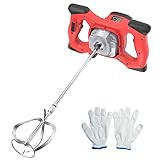
For a small patio, fence footing, mailbox base, or repair job, a concrete mixer can save your back and produce more consistent batches than a wheelbarrow and hoe. The best affordable choice is usually a compact electric drum mixer, not the smallest machine available. Capacity, motor power, drum access, and replacement parts matter more than a low sticker price.
For most homeowners, the sensible target is a 3.5- to 5-cubic-foot mixer with a 120-volt motor. It should handle one 60- or 80-pound bag at a time without being filled to the rim. Expect to pay roughly $250 to $450 for a usable new electric mixer, with discounts often appearing in spring, late summer, and during major holiday sales.
As an Amazon Associate we earn from qualifying purchases at no extra cost to you.


What Size Mixer Do You Need?
Mixer capacity is the drum’s total volume, not the amount of concrete it can mix effectively. A 3.5-cubic-foot drum may comfortably mix about 1.5 to 2 cubic feet of concrete. That is enough for roughly three to four 60-pound bags, depending on the mix and how aggressively you load it. A 5-cubic-foot drum gives you more room, but it is heavier, harder to move, and more demanding of the motor and household circuit.
One 80-pound bag of ready-mix yields about 0.6 cubic feet. A 4-by-8-foot patio at 4 inches thick requires approximately 10.7 cubic feet of concrete before allowing for waste. That is a substantial job: around 18 bags, or several mixer loads. For a small patio, plan labor and water access carefully. A mixer reduces effort, but it does not eliminate the need for several people to place, screed, and finish concrete quickly.
| Mixer type | Typical price | Best use | Main limitation |
|---|---|---|---|
| Electric 3.5-cubic-foot drum | $250–$350 | Footings, pads, repairs, occasional patios | Small batches and limited mobility |
| Electric 5-cubic-foot drum | $350–$500 | Multiple footings and small patios | Heavier; may struggle when overloaded |
| Gas towable mixer | $900 and up | Remote sites and frequent large jobs | Expensive, noisy, and unnecessary for most homeowners |
| Mixing tub or wheelbarrow | $40–$150 | One or two bags and very small repairs | Slow, tiring, and inconsistent for larger pours |
The Best Affordable Category
A 3.5-cubic-foot electric concrete mixer is the best value for most small footing work. Look for a steel or thick molded drum, a geared tilt mechanism, a stable frame, and wheels large enough to cross gravel or unfinished ground. A 120-volt motor is convenient, but use a short, heavy-duty extension cord—12 gauge is a good choice for longer runs. Lightweight household cords can cause voltage drop, overheating, and nuisance breaker trips.
Do not select by drum size alone. Some inexpensive mixers advertise a large capacity but use a weak motor, narrow frame, or poorly supported drum. Those machines can work with half-loads, but they become frustrating when mixing stiff concrete. A mixer that leaves unmixed powder around the drum or stalls whenever you add aggregate is not a bargain.
For a small patio or a run of several footings, a 5-cubic-foot electric cement mixer is worth considering. The extra capacity reduces the number of batches, but only if you have enough help to keep up with placement. It is also more awkward to transport and store. If the machine will sit in a shed for two years between projects, the smaller unit is often the better purchase.
Brand and Price Trade-Offs
At the budget end, many concrete mixers are sold under several changing brand names. Their designs may be nearly identical, but warranty support and parts availability can differ. Before buying, check whether the listing provides a replacement belt, pinion gear, drum bearing, and mixing paddle. These are the parts most likely to wear or break after repeated use.
Paying an extra $50 to $100 for a better-known tool brand can make sense if it provides a real warranty, readable instructions, and accessible parts. It is less compelling if the premium only buys a familiar logo on the same thin frame. For a one-time footing project, a basic mixer is fine when the seller has good return coverage and the machine has credible reviews showing it can handle full batches.
The cheapest option is acceptable for one or two bags, especially if the concrete is mixed in a tub. A concrete mixing tub or heavy-duty wheelbarrow costs much less and avoids storing another machine. It becomes a poor choice when you need 10 or more bags, need consistent water ratios, or have back and shoulder limitations.
How to Avoid Common Mixer Failures
Overloading is the most common mistake. Start the drum before adding material, then add part of the water, aggregate, cement, and remaining water gradually. Keep the batch below the advertised maximum until you know how the machine behaves. Concrete that is too dry may bridge inside the drum; concrete that is too wet can splash out and weaken the finished footing.
Do not hose the motor, switch, or electrical connections. Rinse the drum immediately after the final batch, rotate it while cleaning, and remove hardened buildup with a plastic or wooden scraper. Dried concrete reduces effective capacity and can damage paddles. Keep the mixer level during operation, and never reach into a moving drum. Unplug it before clearing a jam.
Check the power requirement and outlet before delivery day. A mixer may share a circuit with lights or a saw, but starting current can trip a 15-amp breaker. If the outlet is far away, a longer heavy-gauge cord is safer than chaining two light cords together.
When to Buy and When to Rent
Buy a budget electric mixer when you expect several projects, need to work in short batches, or can resell the tool locally afterward. Used prices hold reasonably well during spring and early summer, when homeowners begin patio and fence work.
Rent instead when the job requires a full truckload, a large continuous pour, or a mixer larger than you can safely move. Rental yards often have towable mixers that are more productive than a homeowner-grade electric unit. For seasonal savings, compare prices in late fall and winter, but confirm return policies and shipping charges. A $280 mixer with $80 freight is not cheaper than a $340 local purchase.
For most small patio and footing jobs, choose a 3.5-cubic-foot electric mixer if portability and price matter most, or a 5-cubic-foot unit if you have several helpers and repeated batches. Keep loads moderate, protect the power supply, and judge value by support and parts—not capacity printed on the box.