Best Affordable Metal-Cutting Chop Saw for a Small Garage
What's inside
As an Amazon Associate I earn from qualifying purchases. This post may contain affiliate links at no extra cost to you.
The best fit for a small garage
For most occasional garage projects, a 14-inch abrasive chop saw is the sensible low-cost choice. It cuts mild-steel tube, angle iron, rebar, and flat bar quickly, and usually costs far less than a cold-cut saw or metal-cutting bandsaw. The trade-off is familiar: abrasive wheels are loud, throw sparks, leave a rough, hot edge, and shrink as they wear.
Look for a saw with a guarded wheel, a sturdy vise that holds stock square, a fence you can adjust for angled cuts, and a base that can be bolted to a bench. A cheap saw with a flexible fence can make repeatable 90-degree cuts frustrating. Check that replacement wheels are readily available and that the vise opens wide enough for the largest stock you actually plan to cut.
As an Amazon Associate we earn from qualifying purchases at no extra cost to you.
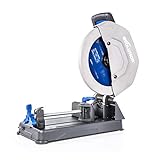


Browse 14-inch abrasive metal-cutting chop saws and compare the included accessories, warranty, and vise design—not just the motor’s advertised wattage.
How the main options compare
| Type | Typical value | Best for | Main compromise |
|---|---|---|---|
| Abrasive chop saw | Lowest purchase cost | Occasional cuts in common mild steel | Sparks, noise, burrs, and hot work |
| Metal-cutting circular saw | Higher upfront cost | Straight cuts with a cleaner edge and less heat | Blade cost and limits on stock shape or size |
| Metal-cutting bandsaw | Often a bigger investment | Repeated cuts and less aggressive noise and sparking | Needs floor or bench space; cuts more slowly |
| Angle grinder with cutoff wheel | Cheapest if you already own one | Small jobs, trimming, and cuts that need flexibility | Harder to guide square; poor choice for many precise repeats |
Prices vary by brand, retailer, and sale timing, so compare the total setup cost: saw, spare wheels, eye and hearing protection, and a way to secure the machine. For a few cuts a month, a basic abrasive saw can be good value. If you cut dozens of pieces to length every week, the time spent dressing rough edges and replacing wheels can outweigh the lower purchase price.
Abrasive or cold-cut?
Abrasive wheels remove material by grinding. They are inexpensive and can handle a range of shapes, but the wheel wears down, and forcing it through thick stock can overheat the cut or glaze the wheel. Let the tool do the work. A cut edge may need grinding before welding or fitting, and thin-wall tubing can deform if the vise clamps it too hard.
A metal-cutting circular saw uses a toothed blade and generally leaves a cleaner edge with less heat and fewer sparks. It can be a better choice when cut quality matters or you are working indoors, but “less sparking” does not mean spark-free. Check the tool’s stated capacity and approved materials; a wood saw is not a substitute. A suitable metal-cutting circular saw for steel costs more to buy, and replacement blades can be a substantial ongoing expense.
A bandsaw is often the calmer option for frequent shop work, particularly when you want controlled cuts without a shower of sparks. It takes more space than a chop saw and is usually harder to justify for a small garage unless you use it regularly.
What to check before buying
Capacity figures are not interchangeable: the saw may cut different maximum sizes of round tube, square tube, and rectangular stock. Read the capacity chart and consider the actual piece you need to cut, including whether it must fit in the vise. If you regularly handle long lengths, you will also need stable support stands; stock that droops or twists can bind a wheel and spoil the cut.
Pay attention to the vise and fence. The workpiece must sit flat and stay put, especially for repeated cuts or miters. Test whether the clamp reaches small pieces without tilting them and whether the fence locks firmly after adjustment. A handle that feels flimsy or a fence that shifts under pressure is a bigger practical problem than a modest difference in motor rating.
Budget for consumables. Common 14-inch abrasive wheels are easy to find, but the cheapest wheel is not automatically the best buy if it wears fast or cuts unevenly. Keep a spare on hand, inspect wheels for damage before fitting them, and use only a wheel rated for the saw’s speed and intended material. Never remove the guard to make a cut fit.
Garage setup and common mistakes
A chop saw needs a stable, nonflammable work area. Sparks can travel farther than expected, so move fuel, solvents, sawdust, cardboard, and oily rags well away from the cutting zone. Do not aim the spark stream toward a vehicle, wall insulation, or a neighboring workbench. Wear safety glasses plus a face shield, hearing protection, and clothing that covers exposed skin; avoid loose sleeves and synthetic fabric that can melt.
Clamp the stock securely, keep hands clear of the wheel path, and wait for the wheel to reach speed before bringing it into the work. Pushing hard can stall the motor, wander the cut, or break a damaged wheel. Let the wheel stop fully before lifting it clear or reaching near the workpiece. The cutoff and nearby metal can remain hot after the sparks stop.
Common mistakes include cutting unsupported long stock, trusting a loose fence for a precision angle, and expecting an abrasive saw to leave a weld-ready edge. Support long pieces at the same height as the saw bed, make a test cut on scrap, and check the result with a square before batching parts.
When to buy—and when to spend more
Prices on benchtop and portable shop tools often dip during major holiday promotions and end-of-season clearance, but a discount is only useful if the saw has the capacity and support you need. Compare the delivered price, warranty, return policy, and availability of wheels. A very low price on a machine with a weak vise may cost you more in rework than it saves.
Choose an abrasive chop saw if your work is occasional, your cuts are mostly common mild-steel shapes, and you have a safe place for sparks. Choose a toothed metal-cutting saw when cleaner cuts and less heat justify the blade cost. Move up to a bandsaw when repeat cutting, noise, and shop cleanliness matter enough to justify more space and money. If you only need a handful of cuts, borrowing or renting may be the better deal.