Best Budget Mortar Mixer for Home Masonry Repairs
What's inside
As an Amazon Associate I earn from qualifying purchases. This post may contain affiliate links at no extra cost to you.
For small masonry repairs, the best budget mortar mixer is usually a heavy-duty drill with the right paddle—not a dedicated towable mixer. A drill setup costs less, stores in a closet, and handles batches for repointing, brick replacement, block repairs, and small concrete patches. A dedicated mixer becomes worthwhile when you are mixing several bags at a time or working for hours without a break.
As an Amazon Associate we earn from qualifying purchases at no extra cost to you.



Choose the right mixer for the job
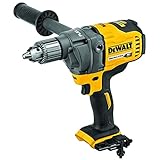
Mortar is thick, sticky, and harder on tools than paint or drywall compound. A standard 3/8-inch household drill can mix a small batch in an emergency, but it is easy to overheat, stall, or strip its chuck. For regular masonry work, look for a corded 1/2-inch drill rated around 7 to 10 amps, or a purpose-built corded mud mixer drill.
A dedicated mortar mixer has a slower gear range and a large side handle. That combination gives better control and less wrist strain than a basic drill. Many inexpensive models include a paddle, but check the paddle size and shaft style before buying. A mixer intended for thinset or tile adhesive may be perfectly useful for repair mortar, while a low-power paint mixer may not survive a full bag.
| Option | Best batch size | Typical budget | Main advantage | Main drawback |
|---|---|---|---|---|
| 3/8-inch household drill | Small, up to about 1/4 bag | $40–$90 | Uses a tool you may already own | Overheats and stalls easily |
| 1/2-inch corded drill | About 1/4 to 1/2 bag | $80–$160 | Good value and useful for other work | Still requires careful batch sizing |
| Dedicated mud or mortar mixer | About 1/2 to 1 bag | $120–$250 | Slow speed, handles, and better control | More expensive and less versatile |
| Portable drum mortar mixer | Several bags | $300–$700+ | Fast production for larger repairs | Bulky, noisy, and excessive for spot repairs |
Best budget setup for home repairs
For most homeowners, the value choice is a corded 1/2-inch drill paired with a 16- to 24-inch mortar paddle. Search for a 1/2-inch corded drill with a side handle, rather than choosing solely by advertised wattage. The side handle matters when the paddle catches in a stiff batch.
Use a paddle designed for mortar, grout, thinset, or cement products. A broad spiral paddle mixes efficiently, but it also loads the motor heavily. A smaller 4- to 5-inch paddle is more forgiving with a budget drill. Avoid using a paint-and-plaster paddle for a full bag of Type S or Type N mortar unless the manufacturer specifically rates it for that material.
A battery drill can work for a few trowels of repair mortar, but it is not usually the budget winner. Mixing consumes a great deal of battery energy, and repeated stalls can damage the tool. If you already own a high-torque 18V or 20V drill, keep batches small and use a second battery. Otherwise, a corded tool gives longer run time for less money.
How much mortar should you mix?
Start with roughly one-quarter of a bag when using a budget drill. That is enough material for many short repointing sessions and gives you time to place it before it stiffens. A full 60- or 80-pound bag can be too much for a hand mixer, even when the motor appears powerful enough on paper.
Add most of the measured water to a clean bucket first, then add dry mortar gradually while running the paddle at low speed. Increase speed only after the powder is incorporated. Mix for the time specified on the bag—often several minutes—then let the mortar rest briefly and remix if the instructions call for it. Do not correct stiff mortar by dumping in large amounts of water late in the process. That can reduce strength, increase shrinkage, and change the color.
Keep the paddle below the surface to limit air bubbles and splashing. Run the mixer at a controlled speed rather than full trigger. If the drill’s housing becomes too hot to hold, stop and let it cool. A burning smell, repeated breaker trips, or a grinding sound means the tool is being overloaded.
When the cheaper option is fine
A basic corded drill is fine for replacing a few bricks, repairing a small crack in a block wall, or repointing a section of less than about 20 square feet. It is also the better buy if you need a general-purpose drill for anchors, mixing patching compounds, and occasional maintenance.
Pay extra for a dedicated mixer when you regularly mix half-bag batches, work on patios or retaining walls, or need to prepare multiple batches in one day. Its lower speed and two-handed grip reduce fatigue and make it easier to maintain a consistent texture. A budget dedicated unit is not necessarily faster than a strong drill, but it is less frustrating during long sessions.
For large repairs, consider renting a portable drum mixer instead of buying a cheap one. Rental cost is often easier to justify for a weekend project, and rental equipment generally has a larger capacity than entry-level homeowner mixers. Do not buy a small drum mixer expecting it to mix concrete with large aggregate; many are intended mainly for mortar and stucco.
Features worth paying for
Prioritize a mechanical low-speed setting, variable trigger control, a side handle, and a replaceable chuck or standard paddle connection. A mixer that runs around 400 to 700 rpm under load is easier to control than a high-speed drill. A no-load speed number alone is not useful; cheap tools often advertise high rpm but bog down as soon as the mortar thickens.
Look for a paddle with a hex shaft or threaded connection that matches the tool. A paddle that slips in the chuck can damage both parts. A long cord, thermal overload protection, and a two-year warranty are practical advantages. Spend less on cosmetic features and more on a solid handle and serviceable motor.
When to buy
Demand for masonry tools usually rises in spring and early summer, when homeowners start brick, block, and patio repairs. Prices can be better during late fall and winter, especially on corded mixers and paddles. Watch for discounts around major holiday sales, but compare the complete kit: a cheap mixer without a suitable paddle may cost more after accessories.
Before buying, price the mixer, paddle, mixing tub, safety glasses, gloves, and a margin trowel together. For occasional repairs, a reliable corded drill and correctly sized paddle remain the lowest-risk purchase. Choose a dedicated mortar mixer when batch size and working time—not just the sticker price—make the simpler setup impractical.