Best Budget Tools for Cleaning and Repainting Metal Railings
What's inside
As an Amazon Associate I earn from qualifying purchases. This post may contain affiliate links at no extra cost to you.
For a small railing repaint, you rarely need a premium grinder or a full set of specialty tools. A hand scraper, a couple of wire brushes, and a dependable drill can handle most jobs; the right choice depends on how much paint is loose, how much rust is present, and how many feet of railing you’re tackling. Spend first on tools that reach corners and remove failing paint without gouging the metal.
As an Amazon Associate we earn from qualifying purchases at no extra cost to you.



Start with the condition of the railing
If the existing coating is mostly sound, wash it, scuff the glossy areas, and spot-scrape chips. Buying a power tool for a few small patches is usually poor value. If paint is peeling across several rails or rust has formed in joints, powered brushing can save time—but it will not remove every trace of corrosion from pits or tight corners.
Check for lead before disturbing old paint, especially on railings installed before 1978. A lead test is inexpensive compared with the risk of creating hazardous dust. Follow local rules if the test is positive; ordinary sanding and wire brushing can spread lead dust. Wear eye protection and gloves for any scraping, and use a suitable respirator when generating dust or working with coatings.
Budget tool comparison
| Tool | Typical budget range | Best use | Main trade-off |
|---|---|---|---|
| Hand wire brush and scraper | $5–$15 | Small jobs, edges, and loose paint | Slow on long runs; requires effort |
| Drill with wire-wheel attachments | $15–$40 for attachments; more if you need a drill | Moderate rust and broad, accessible surfaces | Can gouge metal or throw wire bristles |
| Angle grinder with wire cup | $25–$60 for a basic grinder, plus attachments | Large, heavily scaled sections | Easy to remove too much material; noisy and aggressive |
| Random-orbit sander | $30–$70, plus discs | Scuffing flat surfaces and feathering paint edges | Poor fit for spindles, corners, and deep rust |
Prices vary by store and season, and a tool you already own changes the calculation. For one railing, a $10 hand-tool setup can be better value than buying a grinder and safety gear. For several railings, a drill attachment may earn its cost in saved labor.
Best low-cost setup for most homeowners
Start with a stiff hand scraper, a small wire brush, and a larger brush for reachable runs. A scraper lifts curled paint; the brush cleans residue and rust around welds and joints. Look for a brush with firmly anchored bristles and a comfortable handle. Very cheap brushes can shed wires, so inspect them as you work and keep bristles away from skin and eyes.
For a railing with substantial loose paint, a drill wire-wheel brush set is a useful upgrade if you already own a variable-speed drill. A small cup brush covers open areas faster than a narrow wheel, while a pointed brush can get into corners. Start slowly and use light pressure. A fast wheel can polish rust instead of removing it, catch on edges, or cut into thin metal.
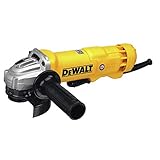
Use an angle grinder only when the scale of the job justifies the extra control and safety demands. A 4.5-inch angle grinder and wire cup can strip stubborn corrosion quickly, but it is overkill for a few paint chips. It can scar the railing, damage nearby masonry, and throw fragments. Wear eye and face protection, secure loose clothing, and keep the tool moving; do not force the cup into corners.
Sanding, consumables, and where not to spend
A budget random-orbit sander is handy for flat handrails and broad panels, but it is not a substitute for a brush on narrow spindles. Start around 80-grit to feather rough paint edges, then use 120-grit to smooth the transition if needed. Do not sand sound coating down to bare metal just to make the surface look uniform. The goal is a firm, clean surface with no lifting edges.
Buy replacement discs and brushes in modest quantities until you know how quickly they wear. A low-priced tool with costly proprietary abrasives can become a poor bargain; common-size discs and standard brush fittings are easier to replace. A basic 5-inch random-orbit sander is enough for occasional railing work. Paying extra for a high-end model makes more sense if you use it regularly or need better dust collection.
Prep carefully before repainting
After scraping and brushing, remove dust and residue, then let the metal dry fully. Treat remaining rust with a compatible rust-inhibiting primer; do not assume a rust converter works with every topcoat. Follow the product label for surface preparation, recoat time, and temperature limits. Applying paint over damp metal, loose paint, or oily residue is a common cause of early peeling.
Use a small angled brush for corners and joints, then a mini roller where the railing has broad flat faces. Thin coats are usually more reliable than one heavy coat, which can sag on vertical bars and leave runs underneath. Check the forecast: cool, damp weather slows curing, while direct hot sun can make paint drag or dry unevenly. If the product specifies a minimum application temperature, treat it as a real limit rather than a suggestion.
When to buy and when to rent
Hand tools and drill attachments are generally easy to find year-round. Paint and related supplies often have more promotions during spring and early summer, when outdoor projects pick up; compare the price of a complete system rather than buying primer and topcoat separately without checking compatibility. A seasonal discount is no bargain if the can will sit open or unused long enough to spoil.
For a single short railing, borrow or rent an angle grinder if the rust is severe. For multiple sections, buying an entry-level grinder may cost less than rental, but include the price of a suitable wheel, protective equipment, and cleanup. If the railing has deep pitting, loose joints, or rust-through, tools and paint will not restore its strength. Repair or replace compromised metal before spending money on refinishing.