How to Budget for Tools Before Starting a Bathroom Remodel
What's inside
As an Amazon Associate I earn from qualifying purchases. This post may contain affiliate links at no extra cost to you.
Start with the work, not the shopping list
Tool costs can creep up before the first tile comes off the wall. A better way to budget is to list the tasks your bathroom actually needs: demolition, plumbing changes, electrical work, drywall or backer board, waterproofing, tile, and finish carpentry. Then mark which tools you already own, which you can borrow or rent, and which you need to buy.
For a small bathroom, a homeowner buying basic tools might spend roughly $250–$600, excluding specialty equipment and consumables. A tile-heavy remodel can push that to $500–$1,200 if you buy a wet saw and a laser. These are planning ranges, not a required shopping list: room size, existing tools, and finish choices matter. Set aside another 10–15% of the tool budget for blades, bits, replacement parts, and the tool you discover you need halfway through.
As an Amazon Associate we earn from qualifying purchases at no extra cost to you.


Separate tools from materials
Keep the tool budget separate from tile, plumbing fixtures, fasteners, and other project materials. A $25 diamond blade is a tool-related expense; the tile it cuts is not. This distinction makes it easier to compare buying against renting and prevents a low tool estimate from masking a larger materials bill.
Also separate reusable tools from consumables. A drill can last through many projects, but sanding discs, utility blades, mixing paddles, and dust bags wear out. For a bathroom, allow about $40–$120 for common consumables, with tile work, old plaster, or extensive demolition pushing that higher.
Decide what to buy, rent, or borrow
Buy tools you will use repeatedly or need throughout the job. Rent tools that are expensive, specialized, or needed for only a few hours. Borrowing can save money, but check the tool before the job starts: a dull saw blade or a drill with a failing battery can cost more in delays than a rental.
| Tool or category | Typical cost | Practical budget choice |
|---|---|---|
| Drill/driver and basic bits | $60–$180 | Buy if you do home repairs; a corded model is fine for occasional work. |
| Oscillating multi-tool | $50–$150 | Buy or borrow for careful cuts around trim and pipes; blades add to the cost. |
| Wet tile saw | $150–$500 to buy; about $50–$100 per day to rent | Rent for one modest tile job unless you expect to use it again. |
| Laser level | $30–$150 | A basic cross-line model is enough for many layouts; a long level works for simpler jobs. |
| Dust extractor or shop vacuum | $80–$300 | Use a suitable vacuum for general cleanup; check filtration requirements before cutting dusty materials. |
| Demolition hammer | $100–$300 to buy; about $40–$90 per day to rent | Rent for a short, heavy demolition phase. It can damage pipes or framing if used carelessly. |
Rental prices vary by location, and deposits or blade charges may apply. If a wet saw rental costs $75 a day and you need it for two days, buying a $200 saw is not automatically cheaper: include setup time, blade quality, storage, and resale value. For one bathroom, renting often wins. If you plan several tile projects, buying becomes easier to justify.
Spend where accuracy and control matter
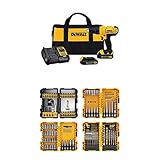
A reliable drill, sharp cutting edges, and accurate layout tools save time because they reduce rework. For a typical remodel, a decent midrange cordless drill/driver kit is useful beyond the bathroom. If you already own batteries from a tool platform, compare bare-tool prices before buying another kit. Switching brands for one tool can mean paying for duplicate batteries and a charger.
For tile, the right cutter depends on the material. A manual snap cutter can handle many straight cuts in ceramic tile and costs less to store and maintain. Porcelain, narrow strips, notches, and angled cuts are more demanding; a wet saw gives more flexibility but needs water, setup space, and cleanup. Budget for an appropriate wet tile saw only if the tile and cut plan justify it. Test cuts on spare tile before committing to the visible pieces.
A cheap level may be accurate enough, but verify it by flipping it end-for-end on a flat surface. If the bubble shifts, do not trust it for setting a long tile run. Likewise, a low-cost laser can be a good buy indoors, but bright light, a weak mount, or a short working range can make it frustrating. Paying more is worthwhile only when the added accuracy or visibility solves a real problem.
Avoid false savings and unnecessary upgrades
Do not buy a large demolition tool simply because it looks faster. A heavy breaker can crack a tub, puncture plumbing, or damage framing behind a wall. Start with a pry bar, hammer, utility knife, and a small oscillating tool where controlled cuts matter. Use eye, hearing, hand, and respiratory protection appropriate to the work; budget roughly $30–$100 for basic protective gear, more if the material or dust hazard requires specialized protection.
Similarly, an inexpensive shop vacuum is not automatically suitable for fine silica or hazardous dust. Follow the tool and material manufacturers’ dust-control instructions, and use the required filtration and collection setup. If the bathroom contains suspected asbestos-containing material or lead-painted surfaces, stop before disturbing it and arrange proper assessment; ordinary DIY dust equipment is not a safe substitute.
Time purchases around the job
Make a list before sales season and compare the total cost, not just the advertised discount. Holiday promotions often reduce prices on cordless kits, while spring sales may include outdoor-focused tools that are less relevant to a bathroom. Tool-only deals are valuable if you already own compatible batteries; otherwise, compare them with complete kits. Check return windows and warranty terms, especially if you are buying a tool months before using it.
Buy consumables close to the work date so adhesives, batteries, and specialty blades do not sit unused. For tools you will rent, reserve them after confirming the delivery and tile schedule. A missed rental day or a rushed purchase after a blade fails can wipe out the savings from shopping carefully.
Set a realistic tool cap
For a straightforward bathroom with some tools already on hand, a $300–$600 cap may cover missing basics, protection, and consumables, with a rented tile saw added as needed. Starting from scratch or doing extensive tile work may call for $700–$1,200. If your estimate exceeds that, review every high-cost item and ask whether it can be rented, borrowed, or replaced with a simpler method. Keep the contingency intact: a measured budget is more useful than a cart full of tools bought before you know what the room demands.