Ridgid vs Hart Power Tools: Which Low-Cost System Is More Practical?
What's inside
As an Amazon Associate I earn from qualifying purchases. This post may contain affiliate links at no extra cost to you.
Ridgid and Hart both target homeowners and DIY users who want cordless tools without paying premium-brand prices. The practical difference is less about a single drill’s performance and more about the battery system, warranty process, store access, and the tools you expect to add later. Hart is often the lower-cost way into basic household jobs; Ridgid can be better value if its warranty coverage and broader selection matter to you.
As an Amazon Associate we earn from qualifying purchases at no extra cost to you.


Where the tools fit
Hart is Walmart’s house brand, with a lineup aimed at everyday home projects, repairs, and occasional woodworking. Its 20-volt platform covers common tools such as drills, impact drivers, saws, and yard equipment. The appeal is simple: kits are frequently priced to make the first purchase affordable, and Walmart is easy to reach for many buyers.
Ridgid’s cordless consumer tools are sold mainly through Home Depot. Its 18-volt platform has a long-running selection of drills, impact drivers, saws, lights, and other tools. Ridgid also sells higher-performance lines, so check the exact product tier rather than assuming every tool under the brand performs alike. The name alone does not make a basic tool equivalent to a professional-grade model.
Quick comparison
| Factor | Ridgid | Hart |
|---|---|---|
| Battery platform | 18V cordless system | 20V cordless system |
| Typical buyer | DIYer building a larger tool collection | Homeowner seeking low entry cost |
| Retail access | Primarily Home Depot | Primarily Walmart |
| Warranty consideration | Some tools qualify for a lifetime service agreement, subject to registration and terms | Coverage varies by product; check the tool’s warranty before buying |
| Best value case | You will use the service coverage and add several compatible tools | You need a few tools for light or occasional work |
Battery cost matters more than the first kit
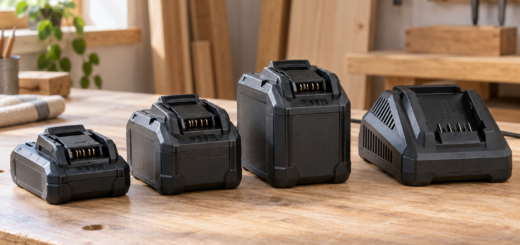
A drill kit price can be misleading. Compare what is included: one battery or two, battery capacity, charger, bag, and any current promotion. A bare tool may look inexpensive until you add a battery and charger. Conversely, a two-battery kit can be a better buy even if its sticker price is higher, especially when you plan to run a saw or yard tool that drains batteries faster than a drill.
Voltage labels are not a direct measure of real-world performance. A 20V label and an 18V label describe different marketing conventions for battery voltage; compare tool capability, battery capacity, and reviews of the specific product instead. For drilling a few pilot holes or assembling furniture, either platform can be adequate. For repeated work in dense lumber, long fasteners, or all-day use, battery capacity and tool design become more important.
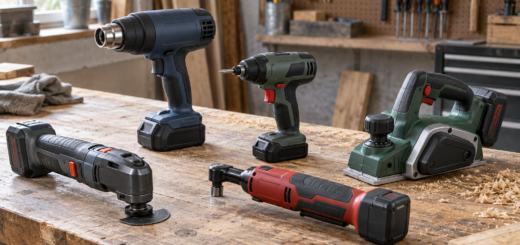
Before choosing, price a second battery and the next two tools you expect to buy. If you only need a drill and driver, the cheaper kit may win. If you expect a circular saw, oscillating tool, and trimmer, the system with the better selection and more convenient deals may cost less over time. Start by comparing Ridgid 18V drill kits and Hart 20V drill kits, then verify current prices and what each package includes.
Warranty and service are not the same thing
Ridgid’s lifetime service agreement is a meaningful advantage on eligible tools, but it is not automatic coverage for every purchase. Registration deadlines, proof of purchase, and product eligibility matter. Read the current terms and complete registration promptly. A tool bought secondhand or an unregistered tool may not receive the coverage you assumed.
Hart warranty terms also vary by product. Keep the receipt and check the specific warranty period before relying on it. In either case, a warranty has value only if the claims process works for you. Consider how far you are from the retailer or service center, whether you can manage a tool being unavailable, and whether the tool is important enough to justify a longer repair process.
Performance, durability, and common limits
For occasional indoor work, a budget drill is rarely the weak link. The bit, material, and technique often matter more. Use a sharp bit, drill a pilot hole when appropriate, and avoid forcing the motor when a bit binds. Overloading a small tool can cause overheating or premature battery wear; stop and let it cool rather than repeatedly pulling the trigger.
Saws and outdoor equipment are a tougher test. A compact circular saw may handle trim and short cuts but bog down in thick stock, especially with a dull blade or a small battery. A cordless mower or trimmer used on a large, overgrown yard may need multiple batteries and frequent breaks. That is where paying more for a better-matched tool or battery can be cheaper than buying twice.
Neither brand should be treated as a single quality level. Compare the exact tool, included battery, and intended workload. For a household drill, driver, and occasional light cuts, Hart is a reasonable budget choice. For a growing collection, heavier DIY use, or a buyer who values eligible service coverage, Ridgid is often the more practical system.
Which system makes sense for your job?
Choose Hart if the purchase is a small set of tools for repairs, flat-pack furniture, shelves, and occasional weekend projects. It is especially sensible when a sale kit includes the batteries you need and you can buy future tools locally. Don’t pay extra for a system’s potential if you do not expect to add tools.
Choose Ridgid if you already own compatible batteries, plan to expand the collection, or expect to use tools often enough that service coverage and a wider selection matter. Check current promotions before deciding: tool-and-battery bundles can change the value equation more than a small difference in bare-tool prices. For either platform, buy the kit that matches the workload—not the largest bundle on sale.