How to Assess Resale Value Before Buying a Premium Tool
What's inside
As an Amazon Associate I earn from qualifying purchases. This post may contain affiliate links at no extra cost to you.
Why Resale Value Matters
A premium tool is not automatically a good value. A $400 drill that sells for $180 after three years may cost less to own than a $180 drill that becomes nearly worthless after the same period. Resale value matters most when you change platforms, upgrade frequently, buy tools for occasional projects, or want to recover money after a major job.
The useful number is not the original price. It is the expected ownership cost:
As an Amazon Associate we earn from qualifying purchases at no extra cost to you.


Ownership cost = purchase price + accessories and repairs − likely resale price.
For example, a $500 cordless kit might sell for $250 after four years. If it needs a $70 replacement battery before sale, your practical cost is $320. A cheaper $250 kit that sells for $60 and needs no repairs costs $190. The premium kit still may be better if it works faster, lasts longer, or includes batteries you would otherwise buy separately—but the resale calculation keeps the decision honest.
What Drives Tool Resale Value
Brand and platform recognition are usually the biggest factors for cordless tools. Buyers prefer ecosystems with widely available batteries, chargers, parts, and compatible tools. A recognizable professional line can retain value even when a newer version is available. Lesser-known brands can be excellent bargains when new, but their used prices often fall sharply because buyers worry about battery availability and warranty support.
Condition matters more than minor cosmetic wear. Scratches and dust are acceptable on a jobsite tool. A cracked housing, burned smell, swollen battery, damaged chuck, loose blade guard, or missing safety component can reduce value by far more than the repair cost suggests. Buyers price in uncertainty.
Completeness also matters. A bare tool without a battery may be attractive to an existing platform user, but a complete kit is easier to sell to a new buyer. Keep the charger, side handle, depth stop, case, belt hook, and manuals. Small parts are easy to lose and surprisingly difficult to replace at a reasonable price.
Timing affects the sale. New generations, holiday bundles, and manufacturer rebates can push used prices down. A tool listed immediately after a heavily discounted retail promotion competes with new inventory that may include a warranty and free battery.
Typical Resale Patterns by Tool Category
| Tool category | Resale outlook | Main value risks | What to preserve |
|---|---|---|---|
| Cordless drills and impact drivers | Moderate to strong for established platforms | Worn chucks, weak batteries, frequent model updates | Batteries, charger, side handle, case |
| Cordless outdoor equipment | Moderate when batteries are shared across tools | Seasonal demand, battery age, weather damage | Battery, charger, guard, wrench, collection bag |
| Premium hand tools | Moderate to strong if undamaged and warrantied | Lost pieces, rust, altered tools, unclear ownership | Original set, proof of purchase, clean storage |
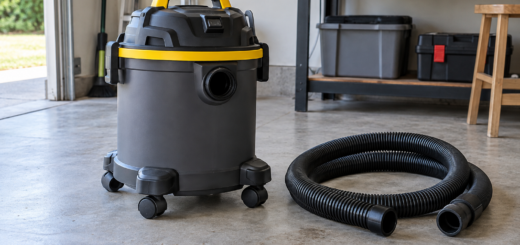
| Jobsite vacuums and dust extractors | Moderate | Clogged filters, damaged hoses, heavily used motors | Hose, adapters, filters, cleaning accessories |
| Specialty tools | Variable; often weak outside a local trade | Small buyer pool, changing standards, expensive shipping | Accessories and calibration records |
Research Real Used Prices
Do not estimate resale value from completed listings that show an optimistic asking price. Check sold listings on at least two marketplaces and compare tools with the same battery count, kit contents, and condition. A tool listed at $300 is not worth $300 if similar examples sit unsold for weeks.
Record at least five comparable sales. Ignore unusually low prices caused by missing batteries or obvious damage, and treat unusually high prices cautiously. A practical estimate is often the middle of the range, not the top sale. If similar complete kits sell between $220 and $280, use $240 or $250 for your ownership calculation rather than assuming $280.
Also check current new pricing. Used tools generally need a meaningful discount to compensate for shorter warranty coverage. If a new bundle is on sale for $249, a used example at $225 is poor value for the buyer and difficult to resell later. Seasonal promotions are especially important: cordless kits often become cheaper around major holiday sales, while outdoor equipment may see better pricing in late summer or early fall.
Evaluate Batteries, Warranty, and Repairs
Batteries are often the hidden resale problem. A cordless tool with two five-year-old batteries may be less valuable than a bare tool with a current battery platform. Ask how the battery was stored, whether it still reaches a full charge, and whether the indicator drops quickly under load. Do not claim a battery is “like new” without testing it.
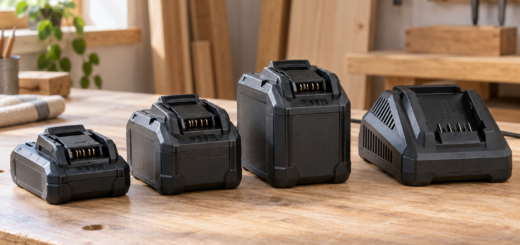
Before buying a premium cordless system, compare the cost of a replacement battery and charger. You can browse professional cordless tool battery kits to see whether the platform has broad support and regular pricing. A platform with batteries that cost nearly as much as a new tool bundle may have weaker used-market demand.
Transferable warranties can add value, but many warranties depend on the original receipt, registration, or authorized seller. Keep digital and paper proof of purchase. A remaining warranty is useful only if you can explain exactly how the buyer can use it.
Buy for Resale Without Overpaying
Buy the version with the accessories you will actually use. A large kit can retain a higher total price but may have a lower percentage return because included accessories sell for very little separately. If you need only a drill and one battery, buying a kit with four rarely used tools is not justified by resale value.
For frequent DIY work, established brushless cordless drill and impact-driver kits are usually the safest premium category to resell because buyers understand the platform and replacement parts. For light furniture assembly, shelving, and occasional repairs, a cheaper corded tool or budget cordless drill is often fine. The premium option does not recover enough value to offset a purchase price you never needed to spend.
Buy used premium tools when the discount is substantial, but inspect them in person when possible. Test the trigger, clutch, gearbox, charger, battery contacts, and any included electronics. A 30% discount is not attractive if the battery is near replacement. A 50% discount can make sense if the tool is clean, complete, and part of a popular platform.
Sell at the Right Time
Sell before the tool becomes visibly obsolete, not after it fails. If a new generation has just launched, older models may lose 10% to 25% of their practical resale value depending on the promotion and feature gap. Clean the tool, remove dust, photograph every accessory, and provide a short test video for expensive items.
Local pickup works well for heavy vacuums, saws, and outdoor equipment because shipping can consume $30 to $80 and exposes you to damage claims. For small cordless tools, shipping may reach more buyers, but pack batteries according to the carrier’s current requirements. A clear listing that states battery age, tested functions, included parts, and known defects usually sells faster than vague claims about “light use.”