Bosch vs Makita: Comparing Compact Power Tools by Price and Durability
What's inside
As an Amazon Associate I earn from qualifying purchases. This post may contain affiliate links at no extra cost to you.
Bosch and Makita both make compact cordless tools for home repairs, finish work and light construction. The tougher comparison is not simply which brand lasts longer: prices vary by tool, battery platform and sale, and durability depends heavily on how the tool is used. A bare tool can look like a bargain until you add batteries and a charger.
For occasional household work, the lower-cost kit that includes a useful battery may be the better buy. For daily use, heavier materials or a growing tool collection, consider battery cost, service options and how much downtime a failure would cause.
As an Amazon Associate we earn from qualifying purchases at no extra cost to you.


What “compact” means for the comparison
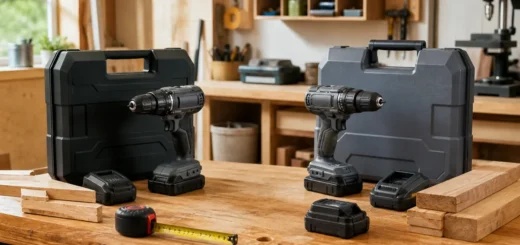
Here, compact means cordless tools intended to be lighter or shorter than full-size versions: drills and impact drivers, small saws, grinders and similar jobsite tools. Bosch sells compact tools in more than one cordless voltage family, while Makita’s compact offerings sit within its broader battery ecosystem. Compare tools with similar voltage, intended workload and included accessories; brand names alone do not tell you which is the better value.
Voltage is not a direct measure of performance across brands. Neither is a headline torque figure enough to predict how a drill will feel in a tight cabinet or how long a saw will run. Weight with the battery attached, balance, speed control and the tool’s ability to shed heat matter in real work. A very small battery may keep a drill light but run out quickly when driving large screws.
Price and value: compare the whole purchase
Check three prices before choosing: the bare tool, a starter kit with battery and charger, and the battery you would need to add later. Kit pricing often changes during sales, so the brand with the cheaper bare tool may not be cheaper once you assemble a usable set. Existing batteries can shift the calculation decisively: if you already own several compatible packs, buying another brand means paying to start a second system.
| Buying factor | Bosch | Makita |
|---|---|---|
| Starter cost | Compare current kit and bare-tool prices; value depends on which battery family and bundle you need. | Compare the same way; frequent tool-and-battery promotions can change the gap. |
| Existing batteries | Strong value if your current Bosch packs fit the tool you want. | Strong value if you already own compatible Makita packs. |
| Compact handling | Compare actual tool-and-battery weight and body length for the task. | Use the same check; a familiar grip and controls can matter more than small spec differences. |
| Long-term cost | Include replacement batteries, chargers and likely service or repair costs. | Use the same full-system calculation rather than judging one discounted tool. |
For a first drill-and-driver set, compare included battery capacity and charger as well as price. Two packs are useful if one is charging while the other is in use. If the work is limited to hanging shelves or assembling furniture, a modest kit is generally enough; paying extra for a premium battery system may not return its cost. Look at Bosch cordless drill and driver kits and Makita cordless drill and driver kits alongside local retailer prices and current bundle offers.
Durability: what wears out and why
Both brands offer tools for regular jobsite use, but no compact drill or saw is immune to abuse. Common failure points include worn chuck jaws that no longer grip bits securely, damaged switches, overheated motors and battery packs that lose capacity. Fine dust, repeated drops, side-loading and running a tool until it is too hot to hold can shorten its life regardless of logo.
Compact tools have a particular trade-off: smaller bodies and batteries are easier to handle, but they may have less thermal mass and runtime than larger tools. Driving a string of long structural screws or cutting thick stock continuously can push a compact tool harder than its size suggests. Let the tool cool, use sharp accessories and avoid forcing a slowing motor. For repeated heavy work, a larger tool is often a more durable choice than the most compact option from either brand.
Battery care also affects the economics. Store packs dry and away from extreme heat, and do not leave them discharged for long periods. A worn battery can make a healthy tool seem weak, so test with a known-good pack before assuming the motor has failed. Before buying, check the warranty terms for the exact tool and battery, plus access to repair service in your area; coverage and service can differ by product and location.
Choose by job, not brand loyalty
For cabinet installation, overhead work or tight spaces, compare the shortest tool bodies and the weight with a small battery fitted. A heavier pack can improve runtime but make a drill tiring above shoulder height. For a basic home kit, either brand can be a sensible pick if the grip feels comfortable and the included pack covers the work.
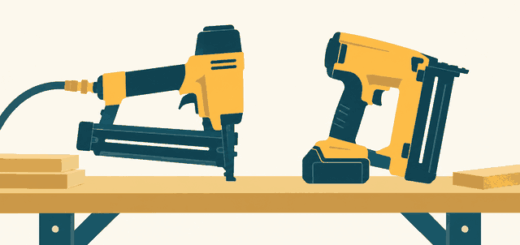
For repeated cutting or grinding, prioritize a tool designed for that workload and budget for batteries with enough capacity. A compact saw is handy for short cuts and trim, but it is not automatically a replacement for a full-size circular saw when cutting thick lumber all day. If you need a light-duty cutting tool, compare Bosch compact cordless circular saws and equivalent Makita options by blade size, depth of cut, weight and battery cost—not by advertised speed alone.
When to buy and when to spend more
Tool kits often become better value during major holiday promotions and seasonal sales, especially when a battery or second tool is bundled. Compare the sale price with the recent normal price where possible; a “free” tool only helps if it is one you would use. Avoid buying into a platform solely because one bare tool is discounted if you still need several batteries and a charger.
Choose the cheaper option when the tool will see occasional use, the kit includes a suitable battery, and its size and controls work for you. Pay more when the tool will earn its keep every week, when a lighter or better-balanced design reduces fatigue, or when it saves you from buying a second battery system. If you already own compatible Bosch or Makita batteries, that is usually the clearest value advantage. Otherwise, compare complete kits and local repair support, then buy the tool that fits the work rather than paying a premium for the name.