Best Budget Propane Torch for Ice Control and Outdoor Repairs
What's inside
As an Amazon Associate I earn from qualifying purchases. This post may contain affiliate links at no extra cost to you.
Best Budget Propane Torch for Ice Control and Outdoor Repairs
A budget propane torch can be useful for clearing small patches of ice, loosening rusted fasteners, heating pipe fittings, starting a burn pile, and handling light outdoor repairs. It is not a replacement for a snow shovel, electric heat gun, or professional weed burner. The best value depends on the job: a compact handheld torch is inexpensive and easy to store, while a long-reach weed burner is faster on pavement but costs more and consumes fuel quickly.
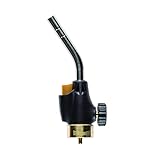
For most homeowners, the sensible starting point is a propane torch head that screws onto a standard 1-pound cylinder. Look for a metal burner head, an adjustable flame control, and an integrated push-button igniter if possible. A basic propane torch head with igniter often costs less than $30. The cheaper manual-lighting versions can work just as well, but you will need a spark lighter and should expect a less convenient start-up process in cold weather.
As an Amazon Associate we earn from qualifying purchases at no extra cost to you.


What to Buy for Ice Control
For small walkways, steps, gates, and frozen locks, choose a torch rated for a broad, brush-style flame rather than a narrow soldering flame. A broad flame spreads heat over several inches and is less likely to scorch one spot. Do not expect it to vaporize a thick sheet of ice instantly. Propane torches typically produce roughly 1,000 to 2,000 degrees Fahrenheit at the flame, but the pavement or ice receives far less heat.
A handheld torch is practical when ice is less than about 1/4 inch thick and the area is limited. Work in short passes, keep the flame moving, and use a shovel or ice scraper to remove loosened ice. For a long driveway, this approach is slow and expensive. A 1-pound cylinder may last approximately 30 to 90 minutes depending on torch size and flame setting, so fuel costs can exceed the price of the torch itself during a cold spell.
For larger areas, consider a long-handle propane weed burner. These usually connect to a 20-pound grill cylinder and let you stand upright. They cover more ground, but they are heavier, harder to control around door thresholds and siding, and more dangerous in dry landscaping. They are best for open concrete or gravel, not tight residential spaces.
Budget Torch Types Compared
| Torch type | Typical price | Best use | Main drawback |
|---|---|---|---|
| Basic handheld head | $15–$30 | Small ice patches, heating bolts, light repairs | Manual ignition is common; limited coverage |
| Handheld torch with igniter | $25–$50 | General homeowner use | Igniter can fail and the torch still needs dry fuel |
| High-output handheld torch | $35–$70 | Frozen pipes, heavier heating, stubborn fasteners | Uses propane quickly and can overheat nearby parts |
| Long-handle weed burner | $40–$90 | Open pavement, gravel, and larger outdoor areas | Bulky, less precise, and higher fire risk |
Features Worth Paying For
Flame control matters more than maximum advertised heat. A valve that adjusts smoothly lets you use a low flame for a frozen lock or a stronger flame for a rusted bolt. An integrated igniter is worth paying about $10 extra if you use the torch frequently, especially when wearing gloves. Still, treat the igniter as a convenience, not a reason to reject a torch with otherwise better construction.
Look for a stable connection to the cylinder and a burner head that does not wobble after tightening. Some ultra-cheap torches have stiff valves, poorly fitting seals, or fragile plastic control knobs. These defects may not appear until the torch is cold. If you want a more complete setup, compare propane torch kits with cylinder adapters, but check whether the kit includes the fuel cylinder. Many do not.
A 20-pound cylinder is cheaper per pound than disposable 1-pound bottles, but it requires a hose, adapter, and safe outdoor storage. For occasional use, disposable cylinders avoid setup costs and are easier to replace. For repeated ice control or seasonal repairs, the refillable-cylinder setup usually becomes the better value after several uses.
Safe Use on Ice and Outdoor Repairs
Never use a propane torch indoors, in a garage, under a porch, or near stored gasoline. Propane combustion produces carbon monoxide, and the flame can ignite vapors or dry debris. Keep at least 10 feet from combustible materials when practical, and have a hose or extinguisher nearby. Do not heat a sealed container, aerosol can, fuel line, or pressurized pipe.
Ice control has specific failure modes. Rapid heating can crack concrete, spall damaged masonry, or shock glass and ceramic surfaces. Avoid directing the flame at expansion joints, asphalt that is already soft, vinyl siding, wooden steps, or vehicle tires. Do not use a torch where melting ice will flow onto a colder area and refreeze into a larger hazard. Heat only enough to break the bond, then scrape and apply traction material.
For plumbing repairs, first shut off water and protect nearby wood and insulation with a heat shield. Heat the fitting, not the pipe contents, and keep the flame moving. A torch that is too large can burn solder away, damage valves, or discolor copper. For small bolts, penetrating oil and patience are often safer and cheaper than buying a high-output torch.
Seasonal Buying Advice
Buy before the first major freeze rather than during an ice storm. Handheld torches and propane cylinders often disappear from local shelves when temperatures drop, while prices can rise on delivery sites. Spring and early summer are better times to find discounts on long-handle burners, which are commonly marketed for weeds and outdoor cleanup.
If you only need to clear a few steps each winter, the cheapest reliable handheld torch is fine. Spend more for a long-handle burner only when you have broad outdoor areas, regular seasonal use, or repair work that benefits from a larger flame. Whichever type you choose, buy fuel separately, inspect the seal before every use, and replace a damaged hose or torch instead of trying to repair a leaking gas connection.