Best Budget Shop Vacuum for Sawdust and Garage Cleanup
What's inside
As an Amazon Associate I earn from qualifying purchases. This post may contain affiliate links at no extra cost to you.
Sawdust, drywall dust, leaves, and spilled gravel are exactly what a shop vacuum is built to handle—but the cheapest machine is not always the best value. For garage cleanup, the useful budget range is roughly $50 to $150. Below that, you often give up hose size, filter quality, tank capacity, or parts availability. Above it, you may be paying for quieter operation, a better cart, or automatic tool activation rather than dramatically better suction.
For most homeowners, a 12- to 16-gallon wet/dry vacuum with a 5- to 6.5-horsepower advertised motor is the practical target. Horsepower ratings are not directly comparable between brands, so look at hose diameter, sealed suction, airflow, filter design, and included accessories as well.
As an Amazon Associate we earn from qualifying purchases at no extra cost to you.

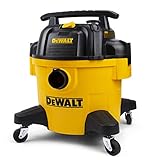
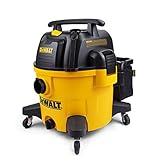
The best budget choice for most garages
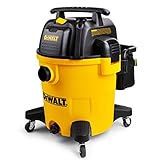
A 12-gallon wet/dry vacuum is the sweet spot for general garage cleanup. It has enough capacity for a workbench, car interior, and floor cleanup without becoming so large that it is difficult to store. A 2.5-inch hose is especially useful for wood chips and larger debris because it clogs less easily than the narrow hoses supplied with many compact vacuums.
Look for a 12-gallon wet/dry shop vacuum with a 2.5-inch hose if you want one machine for sawdust, garage floors, and occasional wet spills. A basic model in this category is usually fine for cleanup after cutting lumber. It may lack a quiet motor or premium wheels, but those are convenience issues rather than performance failures.
Expect to spend about $70 to $110 during ordinary sales. A vacuum at the lower end is a good buy if it includes a cartridge filter, foam sleeve, floor nozzle, crevice tool, and a hose long enough to reach around a vehicle. If the hose is only 5 feet long or the included wand feels flimsy, the low price may disappear once you add replacement accessories.
Budget shop vacuum comparison
| Type | Typical price | Best use | Main compromise |
|---|---|---|---|
| Compact 2–5 gallon | $40–$80 | Car interiors, small benches, quick spills | Small tank and narrow hose clog faster |
| 12 gallon, 5–6.5 peak HP | $70–$120 | General garage work and sawdust | Louder and bulkier than compact models |
| 14–16 gallon, 2.5-inch hose | $100–$180 | Remodeling debris and larger cleanup jobs | Heavier to carry and store |
| Dust-extractor style vacuum | $150–$300+ | Power tools and fine dust control | Costs more; capacity is often smaller |
What matters for sawdust
Coarse sawdust and wood chips are easy for almost any shop vacuum. The problem is fine dust from sanding, routing, and cutting fiber cement or drywall. A standard wet/dry vacuum can pick it up, but its basic filter may allow some of that dust to pass through the exhaust and back into the garage.
For ordinary woodworking, use a pleated cartridge filter rated for fine dust and keep it clean. A disposable collection bag makes a noticeable difference: it holds the dust before it reaches the filter, maintains airflow longer, and makes emptying less messy. Bags add operating cost, but a pack commonly costs less than replacing a motor damaged by clogged airflow.
If you regularly sand indoors, connect a fine-dust filter and collection bags for a shop vacuum. For occasional sanding, the cheaper vacuum is acceptable if you work outdoors, wear a properly fitted respirator, and clean the filter frequently. Neither a budget shop vacuum nor a premium one replaces dust control at the tool and good ventilation.
Tank size, suction, and airflow
Tank size is not the same as usable capacity. A 12-gallon tank cannot safely be filled to the rim, and a bag or filter may reduce usable space further. For dry garage debris, that still provides plenty of runtime. A 5-gallon vacuum is easier to carry upstairs and empty, but it may need attention after only one or two large cleanup jobs.
For sawdust, airflow helps move debris through a hose, while sealed suction helps lift material from a floor or car carpet. A machine with a large hose and moderate airflow can outperform a compact vacuum with a high advertised horsepower number. Avoid reducing a 2.5-inch hose to a tiny adapter unless necessary; the restriction can cause clogging and heat buildup.
Automatic filter cleaning is useful on larger remodeling jobs, but it is not essential for weekend garage use. A manual filter tap or cleaning routine is enough for most buyers. Stop the vacuum when airflow drops, unplug it, and clean or replace the filter rather than continuing until the motor sounds strained.
Wet pickup and common failure modes
Most budget shop vacuums can pick up water, but you must remove the paper dust bag first. The cartridge filter usually stays installed for small wet spills, while a foam sleeve is preferred by some manufacturers. Follow the instructions for your particular filter; mixing a paper bag with liquid can destroy the bag and spread sludge through the motor chamber.
Common failures are preventable. A clogged filter overheats the motor. A loose hose connection causes a large suction loss. Fine dust packed into the filter can make the vacuum appear weak even when the motor is healthy. After wet pickup, empty the tank and leave it open to dry. Standing water creates odors and can corrode metal components.
When a more expensive vacuum is worth it
Spend more if you connect the vacuum to a table saw, miter saw, or random-orbit sander several times a week. A model with a sealed outlet, tool-triggered switching, antistatic hose, better filtration, and readily available replacement parts is safer and less frustrating for continuous dust collection. Browse shop vacuums with tool-activation outlets and fine-dust filtration when that is your main use.
Paying more is also reasonable if you need quieter operation. Cheap vacuums commonly run around 75 to 85 decibels, loud enough that hearing protection is sensible. A quieter model may cost $50 or more extra, but that can be worthwhile in an attached garage or when cleaning for long periods.
Best times to buy
Shop vacuums are frequently discounted around Memorial Day, July Fourth, Labor Day, and Black Friday. Spring sales are useful for garage and car cleanup, while fall promotions often target leaf cleanup and home renovation. Compare the sale price with the cost of filters, bags, and a replacement hose. A vacuum discounted by $15 is not a bargain if its consumables are proprietary or difficult to find.
For the lowest total cost, buy a standard 12-gallon machine with a 2.5-inch hose, a washable pleated filter, and common replacement bags. Choose the compact option only when storage and portability matter more than capacity. Choose a dust-extractor style machine when fine-dust collection from power tools—not occasional floor cleanup—is the job.