Best Budget Tools for Maintaining a Vacation Cabin
What's inside
As an Amazon Associate I earn from qualifying purchases. This post may contain affiliate links at no extra cost to you.
Buy for the cabin you have
A vacation cabin doesn’t need a full workshop. It needs a small set of tools that can handle loose hinges, fallen branches, a dripping hose connection, and the odd flat tire—often after months in a cold, damp shed. Spend first on tools that prevent a small problem from turning into a costly trip or a ruined weekend. Skip specialty gear you can borrow or rent nearby.
Before buying, list the jobs the property actually creates: clearing a short path, tightening deck hardware, maintaining a mower, or patching a screen. A cabin without a lawn has little use for a large mower toolkit. A remote property with no nearby hardware store justifies keeping more basic repair supplies on site.
A practical starter kit
For most small cabins, start with hand tools: a 16- or 20-ounce claw hammer, tape measure, combination pliers, adjustable wrench, utility knife, level, and a screwdriver with interchangeable bits. A modest set of metric and SAE sockets is useful if you maintain a mower, generator, or vehicle. Check what those machines actually use before buying a large socket assortment; many budget sets contain sizes that sit unused while omitting the one you need.
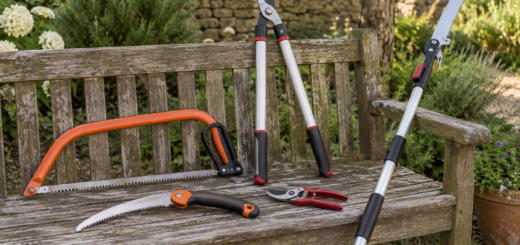
For yard work, a bow saw and pruning saw cover many small branches without fuel, batteries, or engine maintenance. Add a shovel and a sturdy rake if the property needs them. A compact cordless drill-driver kit is handy for screws, pilot holes, and light repairs, but it is not a substitute for an impact wrench or hammer drill. Check whether the kit includes a battery and charger; bare tools can look cheaper while costing more once those are added.
Where the money goes
These broad price ranges are useful for setting a budget, not promises for a particular brand or sale. Prices change, and bundle contents matter.
| Tool group | Typical budget range | Good value when | Common false economy |
|---|---|---|---|
| Basic hand-tool set | $30–$70 | You need occasional household repairs | Thin, soft screwdriver bits round off under torque |
| Cordless drill-driver kit | $70–$150 | You already use the same battery platform | A low-cost bare tool requires a separate battery and charger |
| Bow saw and pruning saw | $15–$45 combined | Branches are small enough for hand cutting | Cheap blades bind, bend, or dull quickly in green wood |
| Basic pressure washer | $100–$250 | You have regular cleaning jobs and a water supply | Buying one for a single annual task that can be rented |
| Outdoor extension cord | $20–$60 | A corded tool is used near a suitable outlet | Using an indoor cord outdoors or one too light for the load |
Choose batteries with care
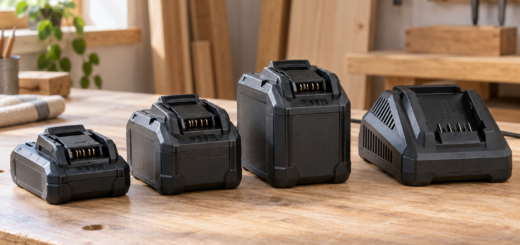
Battery compatibility matters more than the logo on a single drill. If you already own two working batteries and a charger from a major tool platform, another bare tool in that system may be the best-value purchase. Starting from nothing? Compare the full kit price, battery capacity, charger, and warranty—not just the advertised tool price. A small battery may be adequate for a handful of screws but run down quickly during repeated drilling.
For intermittent cabin use, a basic drill-driver from a well-supported brand is usually enough. Paying extra for brushless motors or a premium hammer-drill feature makes sense when you drill often, work in tougher material, or need longer runtime. For a few seasonal fixes in wood, those upgrades may sit idle. Store batteries indoors, dry, and within the manufacturer’s temperature guidance; leaving them in an unheated shed through winter can shorten their life.
Use hand tools before buying engines
A sharp hand saw is quieter, lighter, and easier to maintain than a gas chainsaw for small limbs. It becomes a poor choice when the wood is too thick to cut safely, the job involves storm-damaged trees under tension, or you are working above shoulder height. Those jobs call for proper training or a professional, not a bargain chainsaw.
If a cabin has a long driveway or substantial lawn, compare seasonal rental costs with ownership. A basic electric string trimmer can be a reasonable buy for light edging, but corded versions limit reach and introduce a cord that can be cut. Battery models avoid that problem but add another battery system unless they match your existing platform. For a small patch of grass, a manual reel mower may be cheaper to own than any powered option.
Time purchases around the work
Buy tools before the season when you need them, not after the first storm or breakdown. Spring is practical for garden and cleanup gear, while end-of-season clearance can reduce prices on outdoor equipment. Clearance is only a bargain if the tool fits the job and replacement blades, batteries, or other consumables will remain available. Keep receipts and check return terms, especially for tools bought before a long off-season.
Pressure washers are a good example of a tool to rent first. If you clean a deck once a year, rental may cost less than storing and maintaining a washer. If you use one repeatedly, compare the purchase price with local rental rates and consider whether the cabin’s water supply and outdoor outlet can support the work. Too much pressure can strip wood fibers or drive water behind siding, so a larger rating is not automatically better.
Protect tools from cabin conditions
Damp storage ruins budget tools quickly: steel rusts, wooden handles swell or crack, and battery contacts corrode. Keep tools in a dry, ventilated cabinet rather than on a shed floor. Wipe metal parts after use and apply a light protective oil where appropriate. Store batteries inside the living space when practical, following the maker’s temperature and charging instructions.
Don’t save money on protective basics. Safety glasses, work gloves suited to the job, hearing protection for powered tools, and a first-aid kit cost less than an injury or a delayed trip for supplies. Buy a modest number of decent hand tools, replace consumables such as saw blades when they stop cutting cleanly, and rent the rare, expensive tool. That approach keeps the cabin ready without turning its storage shed into a collection of unused gear.